
Struggling to wake up refreshed? Sleep tracking apps may hold the answer to understanding your nightly rest patterns and improving overall sleep quality.
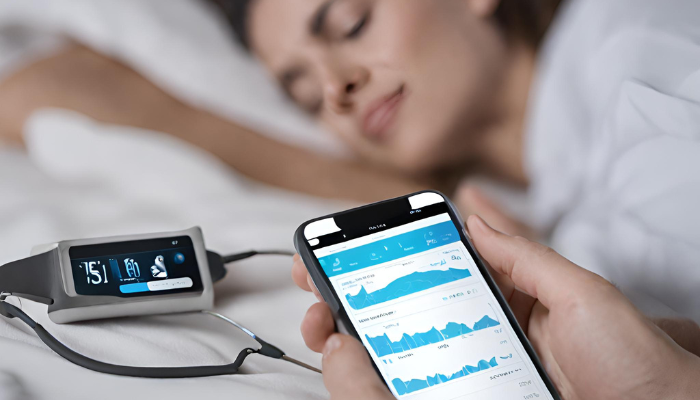
Modern technology has transformed how we approach wellness, and sleep monitoring stands at the forefront of this revolution. These sophisticated applications utilize your smartphone’s sensors to analyze sleep cycles, breathing patterns, and movement throughout the night.
Whether you’re battling insomnia, seeking performance optimization, or simply curious about your sleep habits, the right app can provide invaluable insights. Let’s explore how these digital companions work and which features truly matter for better rest. 😴
Understanding Sleep Cycle Technology 🌙
Sleep monitoring apps function primarily through accelerometer technology built into smartphones. When placed on your mattress, these sensors detect subtle movements that correspond with different sleep stages. The sophisticated algorithms interpret this data to map your journey through light sleep, deep sleep, and REM phases.


Sound analysis represents another crucial component. Advanced apps record ambient noise and breathing patterns, identifying disturbances like snoring or environmental disruptions. Some premium versions even integrate with wearable devices for enhanced accuracy through heart rate monitoring.
The beauty lies in simplicity. You don’t need expensive equipment or medical-grade devices. Your smartphone becomes a personal sleep laboratory, generating detailed reports that would otherwise require professional sleep studies costing thousands of dollars.
Why Sleep Quality Matters More Than Duration ⏰
Many people fixate on hitting eight hours without considering sleep architecture. You could spend nine hours in bed yet wake exhausted if you’re constantly cycling through shallow sleep stages. Quality trumps quantity every time.
Sleep apps reveal this hidden truth through comprehensive analytics. They demonstrate how factors like caffeine intake, screen time, or room temperature impact your sleep efficiency percentage. This metric shows the ratio between actual sleep time and time spent in bed.
Discovering you’re only achieving 65% efficiency despite being in bed for eight hours can be eye-opening. It explains persistent fatigue and motivates meaningful lifestyle adjustments. Knowledge becomes the catalyst for transformation.
Essential Features to Look For 📱
Not all sleep tracking applications deliver equal value. Certain features distinguish exceptional tools from basic timers. Here’s what separates the best from the rest:
- Smart alarm functionality: Wakes you during light sleep phases within a preset window, reducing grogginess
- Snore detection and recording: Documents breathing irregularities that might indicate sleep apnea
- Sleep note integration: Correlates lifestyle factors with sleep quality patterns
- Long-term trend analysis: Tracks improvements or declines across weeks and months
- Environmental noise monitoring: Identifies external disturbances affecting rest
- Heart rate tracking: Available through wearable integration for deeper insights
- Sleep aid sounds: Offers white noise, nature sounds, or guided meditations
Premium versions typically unlock advanced analytics, unlimited historical data, and personalized recommendations based on your unique patterns. Free tiers often provide sufficient functionality for casual users beginning their sleep optimization journey.

How Accurate Are Sleep Tracking Apps? 🔬
Scientific validation remains a legitimate concern. While these apps cannot match polysomnography accuracy—the gold standard requiring electrodes monitoring brain waves—research shows consumer-grade trackers achieve approximately 80-90% accuracy for basic sleep stage detection.
A 2019 study published in the Journal of Clinical Sleep Medicine found that smartphone-based accelerometry correlates reasonably well with professional equipment for identifying wake versus sleep states. However, distinguishing between light and deep sleep proves more challenging.
The practical value extends beyond clinical precision. Consistency matters more than perfection. Even if exact sleep stage timing contains margins of error, tracking trends over weeks reveals actionable patterns. You’ll notice how late meals, exercise timing, or stress levels influence overall rest quality.
Think of these apps as informative guides rather than diagnostic tools. They empower you with data to make informed decisions, but persistent sleep issues warrant professional medical consultation.
Maximizing Your Sleep Tracking Results 💡
Proper setup ensures optimal data collection. Place your smartphone on the mattress near your pillow, ensuring it won’t fall during the night. Plug it into a charger since tracking consumes significant battery power.
Consistency creates meaningful insights. Use the app nightly for at least two weeks before drawing conclusions. Initial nights may show unusual patterns as you adjust to having the device nearby and develop new bedtime routines.
Actively engage with the sleep notes feature. Document caffeine consumption, exercise sessions, stressful events, or anything potentially affecting sleep. These annotations transform raw data into personalized insights revealing your unique sleep influencers.
Review weekly summaries rather than obsessing over individual nights. One poor sleep session doesn’t define your health. Trends across seven to fourteen days provide reliable indicators worthy of attention and action.
Common Sleep Disruptors Revealed by Apps 🚫
Sleep monitoring often exposes surprising culprits behind restless nights. Many users discover they’re waking more frequently than remembered, with brief arousals not registered in conscious memory but clearly visible in app data.
Temperature fluctuations emerge as significant factors. Your app might correlate poor sleep efficiency with warm nights, prompting adjustments to bedroom climate control. Similarly, noise disturbances from traffic, partners, or pets become quantifiable rather than subjective complaints.
Evening screen exposure presents clear evidence in sleep onset times. Users frequently notice delayed sleep initiation following late-night scrolling sessions, validating recommendations to limit blue light before bed.
Weekend sleep pattern disruptions—social jet lag—become visually apparent through weekly charts. Staying up late Friday and Saturday then struggling Sunday night creates a cycle that apps illustrate compellingly, motivating more consistent sleep schedules.
The Smart Alarm Revolution ⏰
Traditional alarms interrupt sleep randomly, often during deep stages when waking feels particularly difficult. Smart alarms monitor your sleep cycle and trigger during light sleep phases within a specified window, typically 30 minutes before your target time.
This intelligent approach reduces sleep inertia—that groggy, disoriented feeling upon waking. Users report feeling more alert and refreshed, even with identical total sleep duration. The difference lies in respecting natural sleep architecture.
The feature requires some adjustment period. You must set a window rather than an exact time, which may feel uncomfortable for those accustomed to precise scheduling. However, most people find the flexibility worthwhile given improved morning alertness.
For shift workers or those with variable schedules, smart alarms prove especially valuable. They adapt to your actual sleep patterns rather than imposing arbitrary wake times, supporting better recovery regardless of when you sleep.
Privacy Considerations and Data Security 🔒
Sleep apps collect intimate behavioral data, raising legitimate privacy questions. Reputable developers implement encryption and store information locally on devices whenever possible, syncing to secure cloud servers only when necessary for backup or cross-device functionality.
Review privacy policies before committing to any application. Understand what data gets collected, how it’s used, and whether third parties receive access. Premium apps from established companies generally maintain stronger privacy standards than free alternatives monetizing through data sales.
Disable microphone permissions if you’re uncomfortable with audio recording. Many apps function adequately using only motion detection, though you’ll sacrifice snore analysis and ambient noise monitoring.
Consider using apps that offer offline functionality and local data storage. This approach minimizes exposure while providing full tracking capabilities without cloud dependency.
Integrating Sleep Data With Overall Wellness 🏃
Sleep doesn’t exist in isolation. Forward-thinking apps integrate with comprehensive health platforms, correlating rest patterns with physical activity, nutrition, and stress metrics. These connections reveal how daytime behaviors influence nighttime recovery.
Fitness tracker synchronization shows relationships between exercise intensity, timing, and sleep quality. Many users discover that vigorous workouts within three hours of bedtime disrupt sleep, while morning or afternoon sessions enhance it.
Meditation app integration documents how mindfulness practices affect sleep onset and depth. Consistent evening meditation often correlates with faster sleep initiation and increased deep sleep percentages.
Nutrition tracking reveals individual responses to specific foods. Some people sleep poorly after evening carbohydrates, while others experience disruption from high-protein dinners. Your unique patterns emerge through systematic correlation.
When to Seek Professional Sleep Help 🏥
Sleep apps provide valuable insights but cannot diagnose medical conditions. Certain red flags warrant professional evaluation regardless of app data. Persistent difficulty falling asleep beyond 30 minutes, frequent waking throughout the night, or excessive daytime sleepiness despite adequate sleep opportunity all merit medical attention.
Snore detection features may identify potential sleep apnea—a serious condition causing breathing interruptions during sleep. If your app consistently records loud, irregular snoring with breathing pauses, consult a sleep specialist for proper evaluation.
Chronic insomnia lasting beyond three months requires professional intervention. While sleep apps help identify patterns and triggers, addressing underlying causes often demands cognitive behavioral therapy or medical treatment that apps cannot provide.
Use tracking data constructively during medical appointments. Physicians appreciate objective information when evaluating sleep complaints. Your app-generated reports provide concrete evidence supporting symptom descriptions and treatment monitoring.
Building Better Sleep Habits Through Insights 🌟
Data without action remains meaningless. The true value of sleep monitoring emerges when insights drive behavioral change. Small adjustments compound over time, transforming sleep quality through consistent application of personalized strategies.
Establish a consistent sleep schedule guided by your app’s optimal timing recommendations. Your data reveals natural patterns—when you fall asleep easiest and wake most refreshed. Align your routine with these biological preferences rather than fighting them.
Create a wind-down ritual informed by successful patterns. If your best sleep follows reading or gentle stretching, formalize these activities into nightly habits. Consistency signals your body that sleep approaches, facilitating easier transition.
Optimize your sleep environment based on tracking correlations. If temperature, light, or noise emerge as disruptors, address them systematically. Blackout curtains, white noise machines, or smart thermostats represent worthwhile investments when data confirms their impact.
The Future of Sleep Technology 🚀
Artificial intelligence and machine learning continue advancing sleep tracking capabilities. Next-generation apps will offer increasingly personalized recommendations based on vast datasets comparing your patterns with millions of similar users.
Integration with smart home systems promises automated environment optimization. Imagine thermostats adjusting based on your sleep cycle, lights gradually dimming as bedtime approaches, or window shades opening to natural light during your smart alarm window.
Wearable technology evolves rapidly, with non-invasive sensors becoming more sophisticated and comfortable. Future devices may monitor additional biomarkers like body temperature fluctuations, respiratory rate variability, and even blood oxygen levels during sleep.
Predictive analytics will forecast sleep quality based on daily activities, enabling proactive adjustments. Your app might suggest earlier bedtime following high-stress days or recommend relaxation techniques when patterns indicate likely sleep difficulty.
Making Sleep Tracking Work for Your Lifestyle ✨
Success requires matching app features with personal needs. Shift workers benefit from flexible scheduling and nap tracking. Parents of young children appreciate silent alarms that wake them without disturbing others. Frequent travelers value apps that adjust recommendations across time zones.
Start with free versions before committing financially. Most apps offer trial periods for premium features, allowing thorough evaluation. Consider whether advanced analytics, unlimited history, or additional integrations justify subscription costs for your specific situation.
Remember that tracking itself shouldn’t create anxiety. Some individuals develop counterproductive obsession with sleep metrics, causing stress that paradoxically worsens sleep. If you notice this pattern, step back and use the app less intensively.
Sleep monitoring works best as a tool for gradual optimization rather than perfection pursuit. Small, sustainable improvements compound over months and years, enhancing overall health, cognitive function, and quality of life far beyond what any single perfect night could achieve.
Embrace the journey toward better rest with curiosity rather than judgment. Your sleep patterns tell a story about your life, habits, and biology. Listen to what the data reveals, make thoughtful adjustments, and celebrate progress along the way. Sweet dreams! 💤
