

Learning to read and write opens doors to a world of possibilities. Today, literacy apps are revolutionizing how children engage with letters, sounds, and words in fun, interactive ways.


The digital age has transformed education, especially in early childhood development. Parents and educators now have access to powerful tools that make learning to read an adventure rather than a chore. These applications combine pedagogy with entertainment, creating environments where children explore language naturally.
Literacy apps offer personalized learning experiences that adapt to each child’s pace and level. From phonics exercises to interactive storytelling, these platforms provide comprehensive support for young learners embarking on their reading journey. Let’s explore how these innovative tools are shaping the future of literacy education.
📱 Why Literacy Apps Are Transforming Early Education
Traditional literacy methods have served generations well, but modern technology introduces new dimensions to learning. Literacy applications leverage interactivity, immediate feedback, and gamification to maintain children’s attention and motivation.
Research shows that multisensory learning—combining visual, auditory, and kinesthetic elements—significantly enhances retention. Literacy apps naturally incorporate these elements through touchscreen interactions, animated characters, and sound effects that reinforce letter-sound relationships.
These digital tools also address diverse learning styles. Visual learners benefit from colorful graphics and animations, while auditory learners thrive with pronunciation guides and narrated stories. Kinesthetic learners engage through touch-based activities like tracing letters and dragging words.
Another significant advantage is accessibility. Families in remote areas or those with limited access to quality educational resources can now provide their children with structured literacy instruction through affordable or free applications.
🎯 Key Features That Make Literacy Apps Effective
Not all literacy apps are created equal. The most effective programs share specific characteristics that support genuine learning outcomes rather than just entertainment.
Phonics-Based Instruction
Strong literacy foundations begin with phonemic awareness—understanding that words are composed of individual sounds. Quality apps systematically teach letter-sound relationships through engaging activities that help children decode unfamiliar words independently.
Progressive difficulty levels ensure children master basic sounds before advancing to blends, digraphs, and complex phonetic patterns. This scaffolded approach mirrors proven classroom methodologies while offering individualized pacing.
Interactive Storytelling
Stories captivate young minds and provide context for literacy skills. The best apps include age-appropriate narratives with interactive elements—tapping objects to hear words, choosing story directions, or completing sentences with vocabulary they’ve learned.
These experiences build comprehension skills alongside decoding abilities, creating well-rounded readers who understand meaning, not just pronunciation.
Progress Tracking and Feedback
Effective literacy apps include robust analytics that show parents and educators exactly where children excel and where they need additional support. Immediate positive reinforcement encourages persistence, while gentle corrections prevent the development of bad habits.
Adaptive algorithms adjust difficulty based on performance, ensuring children remain challenged without becoming frustrated—a delicate balance crucial for maintaining motivation.
👶 Age-Appropriate Literacy Development
Children develop literacy skills in predictable stages, and quality apps respect these developmental milestones. Understanding these stages helps parents select appropriate applications for their child’s current level.
Preschool (Ages 3-5)
At this stage, children develop print awareness and begin recognizing letters. Apps should focus on letter identification, initial sounds, and vocabulary building through playful exploration rather than formal instruction.
Activities might include matching games, alphabet songs with animations, and simple categorization tasks that build pre-reading skills without pressure.
Early Elementary (Ages 5-7)
This critical period involves active reading instruction. Children learn systematic phonics, sight words, and begin reading simple texts independently. Apps should provide structured lessons alongside practice opportunities that reinforce classroom learning.
Features like syllable segmentation, word family exercises, and decodable books support this developmental phase effectively.

Developing Readers (Ages 7-9)
Children at this stage transition from learning to read to reading to learn. Apps should emphasize fluency, vocabulary expansion, and comprehension strategies. Interactive chapter books, word games that introduce academic vocabulary, and activities that build reading stamina serve these learners well.
🏆 Benefits Beyond Basic Literacy
While the primary goal is teaching reading and writing, quality literacy apps deliver additional developmental benefits that support overall growth.
Building Confidence and Independence
Apps allow children to practice skills privately, making mistakes without peer observation. This safe learning environment encourages risk-taking and experimentation essential for mastery. Successfully completing levels and earning rewards builds self-efficacy that transfers to other learning contexts.
Developing Digital Literacy
Navigating educational apps teaches technology skills that are increasingly important in modern education and life. Children learn to follow digital instructions, troubleshoot basic problems, and understand how technology can serve learning purposes.
Fostering a Love of Reading
When literacy instruction feels like play, children develop positive associations with reading. Apps that balance skill-building with enjoyment create lifelong readers who view books as sources of pleasure rather than academic obligations.
🎮 Gamification: Making Learning Irresistible
Game mechanics transform potentially tedious practice into compelling experiences. Understanding how gamification works helps parents appreciate why children eagerly return to educational apps.
Point systems, badges, and unlockable content provide extrinsic motivation during early stages when intrinsic reading motivation hasn’t fully developed. These rewards celebrate effort and progress, teaching persistence and goal-setting.
Character customization and virtual worlds give children ownership over their learning experience. When they’ve invested in building an avatar or virtual space, they’re more committed to continuing their educational journey.
Friendly competition through leaderboards or collaborative challenges can motivate some learners, though the best apps make these features optional to avoid discouraging struggling readers.
👨👩👧 Parent and Educator Involvement
Technology works best as a complement to, not replacement for, human interaction. The most successful literacy development occurs when apps facilitate rather than eliminate adult involvement.
Co-Viewing and Participation
Parents who engage with apps alongside children can extend learning through conversations about content, connections to real-world experiences, and encouragement during challenging activities.
This shared experience also helps parents understand their child’s current abilities and interests, informing book selections and other literacy activities.
Balancing Screen Time
Educational apps offer value, but balanced literacy development requires diverse experiences. Reading physical books, writing with actual pencils, and oral storytelling each contribute unique benefits that screens cannot fully replicate.
Experts recommend treating literacy apps as one tool among many, complementing rather than dominating a child’s literacy experiences.
🌟 Selecting the Right Literacy App
The app marketplace overflows with options claiming to teach reading. Discerning parents and educators should evaluate candidates carefully using specific criteria.
Educational Foundation
Look for apps developed in collaboration with literacy experts, reading specialists, or educators. Check whether the methodology aligns with research-based practices like systematic phonics instruction or balanced literacy approaches.
Age Appropriateness
Content should match your child’s developmental stage. Overly advanced material causes frustration, while too-simple content bores and disengages. The best apps offer broad level ranges or adaptive features.
Safety and Privacy
Verify that apps comply with children’s privacy regulations, contain no inappropriate advertising, and include parental controls. Read privacy policies to understand data collection practices.
Quality Over Quantity
Hundreds of activities matter less than thoughtful design and effective pedagogy. A focused app that teaches core skills deeply outperforms scattered programs covering too many topics superficially.
💡 Maximizing Learning Outcomes
Simply downloading an app won’t magically create readers. Strategic implementation ensures technology investment translates to genuine skill development.
Establish Consistent Routines
Regular practice yields better results than sporadic use. Setting aside specific times for app-based literacy activities—perhaps fifteen minutes after breakfast or before bedtime—builds habits and ensures consistent exposure.
Set Appropriate Expectations
Learning to read is a gradual process that unfolds differently for each child. Celebrate small victories and maintain patience during plateaus. Avoid comparisons with siblings or peers that may discourage struggling learners.
Connect Digital and Physical Literacy
Reinforce app lessons through related activities. If an app teaches animal words, visit a zoo or read animal books together. These connections deepen understanding and demonstrate reading’s real-world relevance.
Monitor Progress Actively
Review app-generated reports regularly to identify patterns. If your child consistently struggles with specific skills, consider supplemental activities or consult with teachers about additional support strategies.
🌐 Accessibility and Inclusive Design
The best literacy apps serve diverse learners, including children with learning differences, language learners, and those with physical challenges.
Features like adjustable text size, customizable color contrasts, and audio narration support visually impaired users. Slowed speech options and pronunciation repetition help English language learners and children with auditory processing differences.
Apps designed with dyslexia-friendly fonts, multisensory reinforcement, and incremental difficulty progressions support struggling readers without stigmatizing their challenges.
This inclusive approach ensures all children can access quality literacy instruction regardless of individual needs or circumstances.
📊 Measuring Success Beyond Test Scores
While literacy apps track specific skill acquisition, broader indicators reveal whether children are developing into confident, enthusiastic readers.
Does your child voluntarily choose reading activities during free time? Do they attempt to read signs, labels, and books independently? Are they asking questions about words and stories? These behaviors indicate healthy literacy development beyond what any assessment measures.
Growing vocabulary in everyday conversation, retelling stories with detail, and making predictions about book plots demonstrate comprehension skills that standardized metrics often miss.
🚀 The Future of Literacy Technology
Emerging technologies promise even more personalized and effective literacy instruction. Artificial intelligence will enable apps to understand individual learning patterns with unprecedented precision, creating truly customized educational pathways.
Voice recognition technology already allows children to practice reading aloud with immediate feedback on pronunciation and fluency—a feature that simulates one-on-one tutoring at scale.
Augmented reality experiences that overlay digital information onto physical books may soon bridge digital and traditional reading in innovative ways, combining the best of both mediums.
As these technologies mature, the gap between privileged and underserved communities may narrow, democratizing access to high-quality literacy instruction globally.
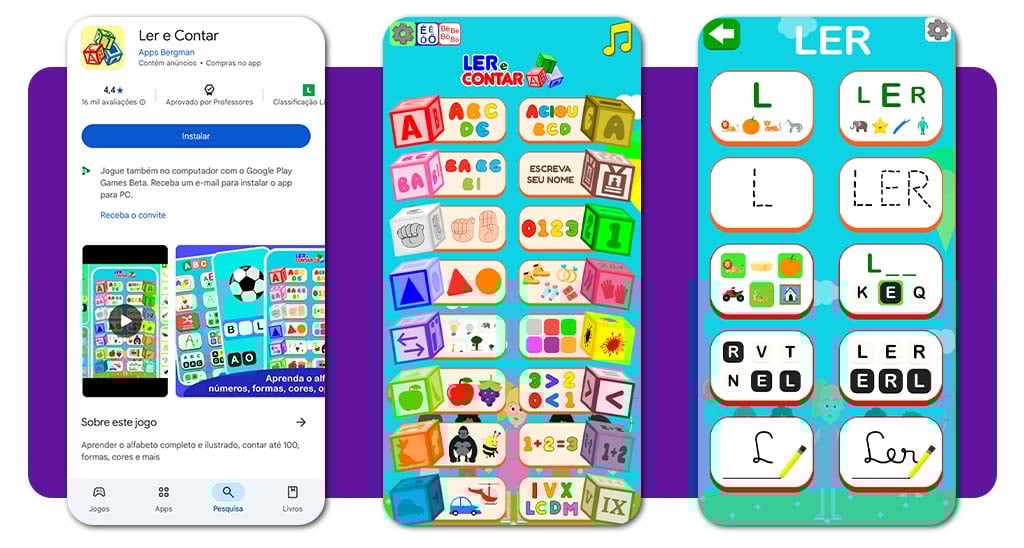
✨ Creating Lifelong Readers in a Digital World
Literacy apps represent powerful tools in the modern parent’s and educator’s arsenal. When selected thoughtfully and implemented strategically, they accelerate skill development while making learning genuinely enjoyable.
The goal extends beyond teaching children to decode words. True literacy means cultivating curious minds that seek knowledge, empathetic hearts that connect with diverse perspectives through stories, and confident communicators who express themselves effectively.
Technology serves this mission beautifully when balanced with human connection, physical books, creative writing, and rich conversations. Apps provide structure, practice, and engagement that complement rather than replace the irreplaceable—a loving adult sharing the magic of stories with a child.
As we navigate this digital age, the question isn’t whether to use literacy apps, but how to use them wisely. By understanding their strengths, limitations, and optimal applications, we can harness technology’s power while preserving the timeless joys of reading that have enriched humanity for millennia.
The journey to literacy is one of discovery, challenge, and triumph. With the right tools and guidance, every child can experience the transformative power of reading—opening doors to knowledge, imagination, and possibilities limited only by their dreams. 📚✨
