
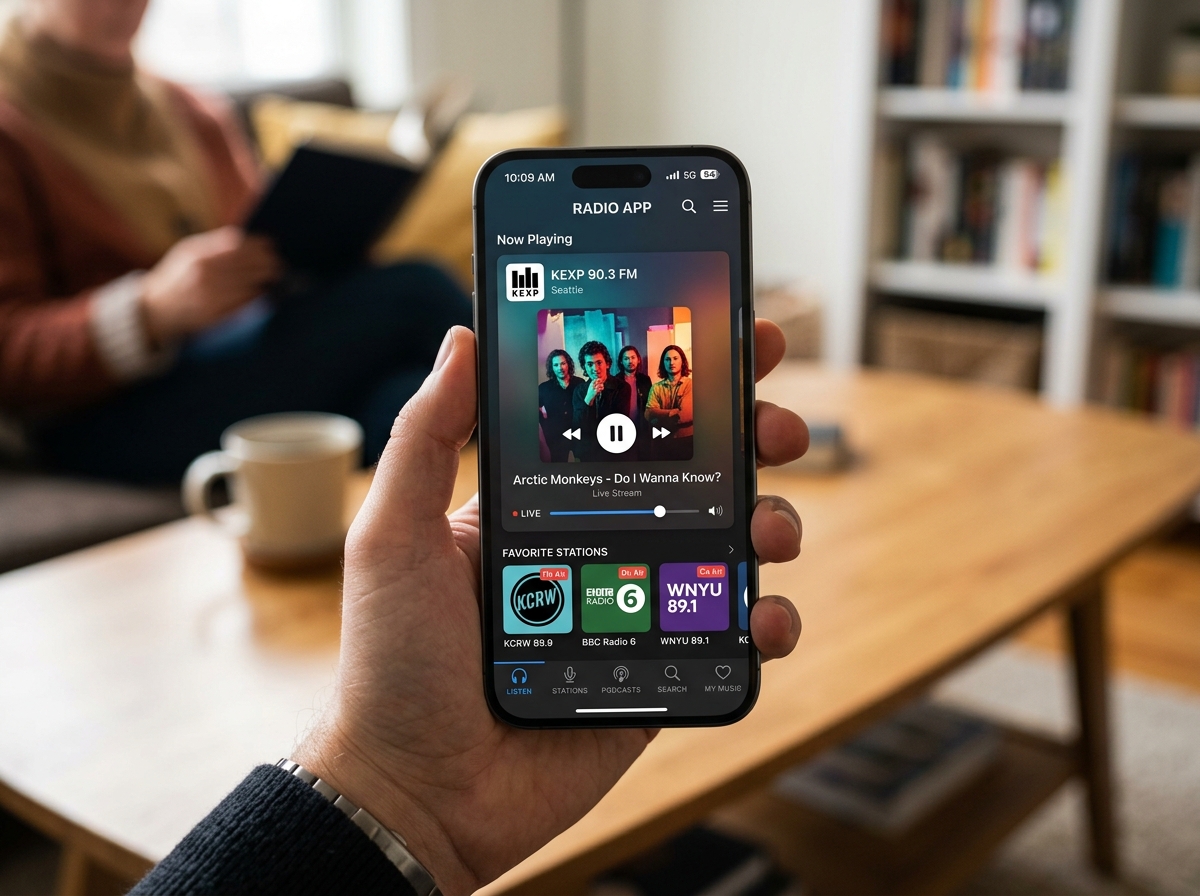
Radio apps have revolutionized how we listen to our favorite stations, bringing thousands of channels from around the world directly to our smartphones.
The digital transformation has completely changed the radio broadcasting landscape. Gone are the days when you needed bulky receivers or were limited to local stations with poor signal quality. Today’s radio applications offer crystal-clear sound, unlimited station choices, and features that traditional radio could never provide.
Whether you’re commuting to work, exercising at the gym, or relaxing at home, radio apps have become essential companions for millions of users worldwide. They combine the nostalgic charm of radio broadcasting with modern technology’s convenience and versatility. Let’s explore everything you need to know about these powerful digital tools.
📻 Understanding Modern Radio Applications
Radio applications are sophisticated software programs designed to stream live radio broadcasts over the internet. Unlike traditional FM/AM radios that rely on electromagnetic waves, these apps use your device’s internet connection to deliver audio content from stations worldwide.


The technology behind these apps is remarkably advanced. They utilize streaming protocols that ensure minimal buffering, high-quality audio, and efficient data usage. Most modern radio apps support various audio formats and automatically adjust streaming quality based on your connection speed.
What makes these applications truly special is their ability to break geographical barriers. You can listen to a jazz station from New York while sitting in Tokyo, or tune into Brazilian samba music from anywhere on the planet. This global accessibility has created a new era of cultural exchange through radio broadcasting.
🎯 Key Features That Define Great Radio Apps
The best radio applications share several essential characteristics that enhance user experience. Understanding these features helps you choose the right app for your listening needs.
Extensive Station Library
Top-tier radio apps provide access to tens of thousands of stations across multiple genres and countries. From mainstream pop and rock to niche genres like ambient electronic or traditional folk music, the variety is virtually limitless. This comprehensive selection ensures that every listener finds content that resonates with their tastes.
Intuitive Search and Discovery
Finding your perfect station shouldn’t be complicated. Quality radio apps offer multiple discovery methods including search by genre, location, language, or station name. Many also feature curated playlists and recommendation algorithms that suggest new stations based on your listening history.
Offline Favorites and Recording
Some advanced applications allow you to mark favorite stations for quick access and even record broadcasts for offline listening. This feature proves invaluable when you’re traveling without reliable internet connection or want to save a particular show for later.

Smart Integration and Compatibility
Modern radio applications seamlessly integrate with other technologies in your life. They work with Bluetooth speakers, car audio systems, smartwatches, and voice assistants like Alexa or Google Assistant. This interconnectivity creates a truly unified listening experience across all your devices.
💡 Benefits of Using Radio Apps in Daily Life
Incorporating radio applications into your daily routine offers numerous advantages beyond simple entertainment. These apps have become multifunctional tools that enrich various aspects of our lives.
For commuters, radio apps transform tedious travel time into opportunities for learning, entertainment, or staying informed. You can catch up on news, discover new music, or listen to educational podcasts without being limited to local stations with repetitive programming.
Music enthusiasts appreciate the ability to explore international music scenes without leaving home. Want to understand what’s popular in French electronic music or discover emerging artists from South Korea? Radio apps provide direct access to authentic content from those regions.
Language learners find immense value in radio applications as well. Listening to stations in your target language provides natural exposure to pronunciation, colloquialisms, and cultural context that textbooks simply cannot replicate. It’s an immersive learning tool available 24/7.
For those working from home, background radio can create ambiance that reduces feelings of isolation and maintains productivity. Unlike music streaming services, radio provides variety without requiring constant song selection, allowing you to stay focused on work.
🔧 Technical Aspects and Data Considerations
Understanding the technical requirements and data usage of radio apps helps you optimize your listening experience and manage costs effectively.
Internet Connection Requirements
Radio apps function through internet streaming, which means you need a stable connection. Most apps work adequately with 3G connections, but 4G or WiFi provides superior audio quality and reliability. The minimum recommended speed is around 128 kbps for decent sound quality.
Data Consumption Patterns
Streaming radio does consume data, but typically less than video streaming. On average, expect to use approximately 50-100 MB per hour at standard quality settings. Higher quality streams can consume up to 150 MB per hour. Many apps offer quality adjustment settings to help control data usage.
Battery Optimization
Continuous streaming can impact battery life. Well-designed apps implement power-saving technologies that minimize battery drain. Features like sleep timers, automatic pause when disconnected, and efficient codec usage help preserve battery while maintaining audio quality.
🌍 Global Access to Cultural Content
One of the most transformative aspects of radio applications is their ability to connect listeners with cultures worldwide. This global perspective enriches our understanding and appreciation of diverse musical traditions and perspectives.
Imagine waking up to morning news from London, enjoying Italian classical radio during lunch, and unwinding with Caribbean reggae in the evening. This cultural journey happens without passport requirements or travel expenses, simply through your smartphone.
Radio apps have become particularly valuable for expatriate communities. People living far from their home countries can maintain connection with their cultural roots by listening to stations from their homeland. This emotional link helps combat homesickness and keeps them informed about local events and news.
Music researchers and ethnomusicologists use these applications as fieldwork tools, studying how different cultures produce and consume radio content. The apps serve as windows into the musical identity of nations and communities.
🎵 Discovering New Music Through Radio Apps
Unlike algorithm-driven music streaming platforms, radio apps offer organic music discovery through curated programming by actual human DJs and music directors. This human touch creates unexpected discoveries and serendipitous moments.
Independent and college radio stations accessible through apps often showcase emerging artists before they reach mainstream platforms. If you’re tired of algorithmic recommendations that feel repetitive, radio apps provide refreshing alternatives with genuine human curation.
Genre-specific stations offer deep dives into particular musical styles. Jazz stations might dedicate entire shows to bebop or smooth jazz. Electronic music stations could focus exclusively on techno subgenres. This specialized programming helps listeners develop sophisticated musical knowledge.
📱 Choosing the Right Radio App for Your Needs
With numerous radio applications available, selecting the ideal one requires consideration of several factors aligned with your preferences and usage patterns.
First, evaluate the station selection. Does the app include stations from your region and countries you’re interested in? Check whether it covers niche genres you enjoy. A diverse catalog ensures long-term satisfaction.
User interface matters significantly. Apps should be intuitive, with straightforward navigation and responsive controls. Test several apps to find one that feels natural and doesn’t frustrate you with complicated menus.
Consider additional features like alarm clock functionality, car mode, Chromecast support, or podcast integration. These extras can transform a basic radio app into your comprehensive audio entertainment hub.
Read user reviews and check update frequency. Actively maintained apps receive regular improvements, bug fixes, and new features. Abandoned apps may stop working properly as operating systems evolve.
🔐 Privacy and Security Considerations
When using radio applications, understanding privacy implications and security measures protects your personal information and device integrity.
Reputable apps clearly state their data collection practices in privacy policies. They typically collect listening habits to improve recommendations but should never access sensitive information without permission. Review permissions carefully before installation.
Avoid downloading radio apps from unofficial sources or third-party stores. Stick to official app stores like Google Play or Apple App Store, which implement security screening processes to protect users from malicious software.
Be cautious with apps requiring excessive permissions unrelated to their core function. A radio app doesn’t need access to your contacts, text messages, or camera. Such requests signal potential privacy concerns.
🚀 Future Trends in Radio App Technology
The radio app landscape continues evolving with emerging technologies that promise even more impressive capabilities and user experiences.
Artificial intelligence integration is becoming more sophisticated. Future apps may offer predictive recommendations that understand your mood and automatically select appropriate stations. Voice control will become more nuanced, allowing complex commands through natural conversation.
5G connectivity will enable ultra-high-definition audio streaming without buffering concerns. This technological leap could bring studio-quality sound to mobile radio listening, transforming how we perceive streaming audio quality.
Social features are expanding, allowing listeners to see what friends are enjoying, share favorite stations, and participate in live chat during broadcasts. Radio is returning to its communal roots while leveraging digital connectivity.
Integration with smart home ecosystems will deepen. Imagine your radio automatically switching stations as you move between rooms, or adjusting volume based on ambient noise levels detected by smart home sensors.
💪 Maximizing Your Radio App Experience
Getting the most from your radio application involves implementing simple strategies that enhance enjoyment and functionality.
Create organized favorites lists categorized by mood, genre, or time of day. Having a “Morning News” folder, “Workout Energy” playlist, and “Evening Relaxation” collection makes station selection effortless and intuitive.
Experiment with stations outside your comfort zone regularly. Dedicate time each week to exploring unfamiliar genres or international stations. This practice broadens musical horizons and keeps your listening experience fresh.
Use sleep timer features if you enjoy falling asleep to radio. This prevents unnecessary data consumption and battery drain while providing comfortable nighttime listening.
Connect your radio app to external speakers for superior sound quality at home. Bluetooth speakers or connected sound systems dramatically improve audio experience compared to smartphone speakers.
🎧 Radio Apps for Specific Interests and Demographics
Different user groups find unique value in radio applications tailored to their specific needs and interests.
Sports enthusiasts benefit tremendously from radio apps providing live game commentary, sports talk shows, and analysis programs. Many apps offer dedicated sports radio categories featuring channels covering everything from football to niche sports.
News junkies appreciate access to international news stations offering perspectives beyond their local media. Comparing coverage of global events across different countries provides valuable context and reduces information bubbles.
Seniors often find radio apps particularly appealing because they combine familiar radio formats with modern convenience. Larger fonts, simple interfaces, and nostalgic content make these apps accessible and enjoyable for older demographics.
Children’s programming available through some radio apps offers parents safe, ad-controlled content alternatives. Educational shows, storytelling broadcasts, and kid-friendly music provide wholesome entertainment without screen time concerns.
🌟 The Enduring Appeal of Radio in the Digital Age
Despite countless entertainment options competing for attention, radio maintains its relevance and appeal through qualities that digital-only content cannot replicate.
Radio’s live, unscripted nature creates authenticity that pre-recorded content lacks. Hearing live DJs react to breaking news, interact with callers, or spontaneously share thoughts creates genuine connection between broadcaster and listener.
The passive consumption model of radio perfectly suits modern multitasking lifestyles. Unlike video content demanding visual attention or podcasts requiring episode selection, radio simply flows continuously while you focus on other activities.
Local radio stations accessible through apps maintain community connections by covering regional news, weather, traffic, and events that national services overlook. This hyperlocal focus remains invaluable for staying informed about immediate surroundings.
Radio apps successfully bridge generational divides, appealing equally to those nostalgic for traditional radio and digital natives comfortable with streaming technology. This universal appeal ensures radio’s continued cultural significance.
As technology advances and entertainment options multiply, radio applications demonstrate that sometimes the best innovations come from reimagining classic mediums with modern tools. They prove that radio’s fundamental appeal—providing companionship, information, and entertainment through audio—remains as powerful today as when radio first captivated the world nearly a century ago.
