
Success isn’t built on fleeting bursts of enthusiasm. It requires a deliberate framework that sustains motivation through challenges, setbacks, and the inevitable monotony of daily progress.
We’ve all experienced that surge of energy when starting something new—a fitness routine, a business venture, or learning a skill. Yet statistics show that most people abandon their goals within weeks. The difference between those who succeed and those who don’t isn’t talent or luck; it’s the architecture of their motivation system.
Building sustainable motivation isn’t about willpower or inspiration alone. It’s about constructing an environment, mindset, and set of practices that generate consistent forward momentum regardless of how you feel on any given day. This article explores the foundational principles and practical strategies for creating a motivation architecture that supports lasting success and continuous growth.
🏗️ Understanding the Foundation: What Is Motivation Architecture?
Motivation architecture refers to the intentional design of internal and external systems that support goal-directed behavior over time. Unlike temporary motivation tactics, this approach focuses on creating structures that make consistent action the path of least resistance.
Traditional motivation relies heavily on emotional states—feeling inspired, excited, or determined. These states are valuable but inherently unstable. Motivation architecture, by contrast, functions independently of mood. It includes environmental design, habit formation, accountability systems, and psychological frameworks that maintain momentum during both peaks and valleys.
The concept draws from behavioral psychology, systems thinking, and performance science. It recognizes that human beings are simultaneously rational and emotional, driven by both conscious intentions and unconscious patterns. Effective motivation architecture works with these realities rather than against them.
The Three Pillars of Sustainable Motivation
Any robust motivation architecture rests on three fundamental pillars: clarity of purpose, systematic progress mechanisms, and adaptive resilience. Each pillar serves a distinct function while supporting the others.
Clarity of purpose provides the “why” that anchors effort when challenges arise. Systematic progress mechanisms create the “how” through repeatable processes and measurable advancement. Adaptive resilience supplies the “when”—the capacity to adjust strategies while maintaining directional consistency.
Without clarity, effort becomes aimless. Without systems, progress becomes sporadic. Without resilience, setbacks become endpoints. Together, these pillars create a structure capable of supporting long-term achievement.
🎯 Designing for Clarity: Defining Your Motivational North Star
The foundation of any motivation architecture begins with exceptional clarity about what you’re building toward and why it matters. Vague aspirations generate weak commitment. Specific, meaningful goals create psychological pull that sustains effort.
Research in goal-setting theory consistently demonstrates that specific, challenging goals produce higher performance than vague intentions. But specificity alone isn’t enough. Your goals must connect to deeper values and identity—who you’re becoming, not just what you’re achieving.
From Outcome Goals to Identity-Based Motivation
Traditional goal-setting focuses on outcomes: lose 20 pounds, earn $100,000, write a book. These targets are useful but limited. They create finish lines that, once crossed, often lead to regression. More sustainable is identity-based motivation, where the focus shifts to becoming a certain type of person.
Instead of “I want to run a marathon,” the identity frame becomes “I am a runner.” This subtle shift changes the relationship with daily actions. Missing a workout isn’t merely a deviation from a plan; it conflicts with identity. This creates stronger psychological consistency and long-term adherence.
Crafting identity-based goals requires reflection on your core values and the person you aspire to become. What characteristics define this future self? How does this person approach challenges? What daily behaviors reflect this identity? These questions help build a motivational foundation rooted in self-concept rather than external achievements alone.
⚙️ Engineering Systems: Building Automatic Progress Mechanisms
Clarity provides direction, but systems create movement. The most successful individuals don’t rely on daily decisions about whether to work toward their goals. They’ve engineered environments and routines that make progress automatic.
James Clear’s concept of “atomic habits” illustrates this principle beautifully. Small, consistent actions compound over time into remarkable results. The key is making these actions so easy and integrated into daily life that they require minimal motivation to execute.
Environment Design: Making the Right Choice the Easy Choice
Your physical and digital environments constantly influence behavior, often unconsciously. Motivation architecture leverages this by designing spaces that reduce friction for desired behaviors and increase friction for undesired ones.
If your goal involves creative work, create a dedicated workspace that signals “work mode” to your brain. Remove distractions—silence notifications, use website blockers during focus periods, keep your phone in another room. Conversely, if you want to read more, place books in high-visibility locations and remove easy entertainment alternatives.
Environment design extends to social contexts. Surrounding yourself with people who embody the behaviors you’re cultivating creates powerful normative influence. Their standards become your standards; their normal becomes your normal. This social architecture often matters more than individual willpower.
Routine Architecture: Scheduling Success Before It Happens
Relying on finding time for important activities is a losing strategy. Time isn’t found; it’s allocated. Motivation architecture includes creating non-negotiable time blocks for high-priority activities before other demands consume your day.
Implementation intentions—specific plans about when and where you’ll execute desired behaviors—dramatically increase follow-through rates. “I’ll exercise more” is weak. “I’ll go to the gym Monday, Wednesday, and Friday at 6:30 AM before work” is strong. The specificity removes decision-making from the equation, reducing the opportunity for rationalization.
Building routines around keystone habits—activities that naturally support multiple goals—creates efficiency. Morning routines that include exercise, meditation, and planning set positive momentum for the entire day. Evening routines that involve reflection and preparation increase readiness for the following day.
📊 Measuring What Matters: Feedback Systems for Continuous Improvement
Sustainable motivation requires visible progress. The human brain is wired to respond to feedback—both positive reinforcement when we advance and corrective information when we deviate. Building robust measurement systems satisfies this psychological need while providing data for strategic adjustments.
However, not all metrics are equally valuable. Vanity metrics might feel good but don’t necessarily indicate meaningful progress. Effective motivation architecture focuses on leading indicators—actions you control that predict desired outcomes.
Creating Your Personal Dashboard
A personal dashboard tracks the vital signs of your progress across different life domains. This might include daily habits completed, hours invested in skill development, key performance indicators for professional goals, and qualitative assessments of well-being.
The dashboard should be simple enough to maintain consistently but comprehensive enough to provide genuine insight. Weekly reviews using this dashboard create opportunities to celebrate wins, identify patterns, and adjust strategies. This regular reflection converts experience into wisdom.
Many successful individuals use habit tracking applications to maintain visibility on daily behaviors. These tools provide immediate visual feedback, creating small dopamine rewards for consistency and highlighting patterns over time.

The Power of Streaks and Micro-Wins
Psychological research demonstrates that small, frequent wins generate more sustained motivation than occasional large victories. Tracking streaks—consecutive days of maintaining a desired behavior—leverages this principle effectively.
The accumulating streak itself becomes valuable, creating loss aversion that motivates continuation. Breaking a 47-day streak feels costly, generating additional psychological incentive beyond the intrinsic value of the behavior itself. This technique works because it makes progress tangible and creates psychological investment.
However, streak tracking should include grace mechanisms. All-or-nothing thinking causes many people to abandon goals entirely after a single slip. Building in “resilience days” or focusing on percentage consistency over time (80% adherence rather than perfection) creates more sustainable systems.
🔄 Building Adaptive Resilience: Sustaining Momentum Through Challenges
No motivation architecture survives contact with reality unchanged. Life introduces unexpected challenges, energy levels fluctuate, and circumstances shift. The difference between temporary and lasting success lies in adaptive resilience—the capacity to maintain directional consistency while adjusting tactics.
Resilience isn’t about toughness or refusing to acknowledge difficulty. It’s about having predetermined responses to common obstacles, maintaining perspective during setbacks, and viewing challenges as information rather than indictments.
Anticipatory Planning: Preparing for Inevitable Obstacles
One of the most effective resilience strategies is mental contrasting with implementation intentions. This involves vividly imagining both the benefits of achieving your goal and the specific obstacles likely to arise, then creating if-then plans for navigating those obstacles.
“If I feel too tired to exercise after work, then I’ll do a 10-minute workout at home” removes the need for in-the-moment decision-making. Having predetermined minimum viable behaviors ensures that even during low-energy periods, you maintain some consistency rather than abandoning the habit entirely.
This approach acknowledges reality without surrendering to it. You recognize that perfect conditions rarely exist while refusing to use imperfect conditions as justification for inaction.
Reframing Setbacks: From Failure to Feedback
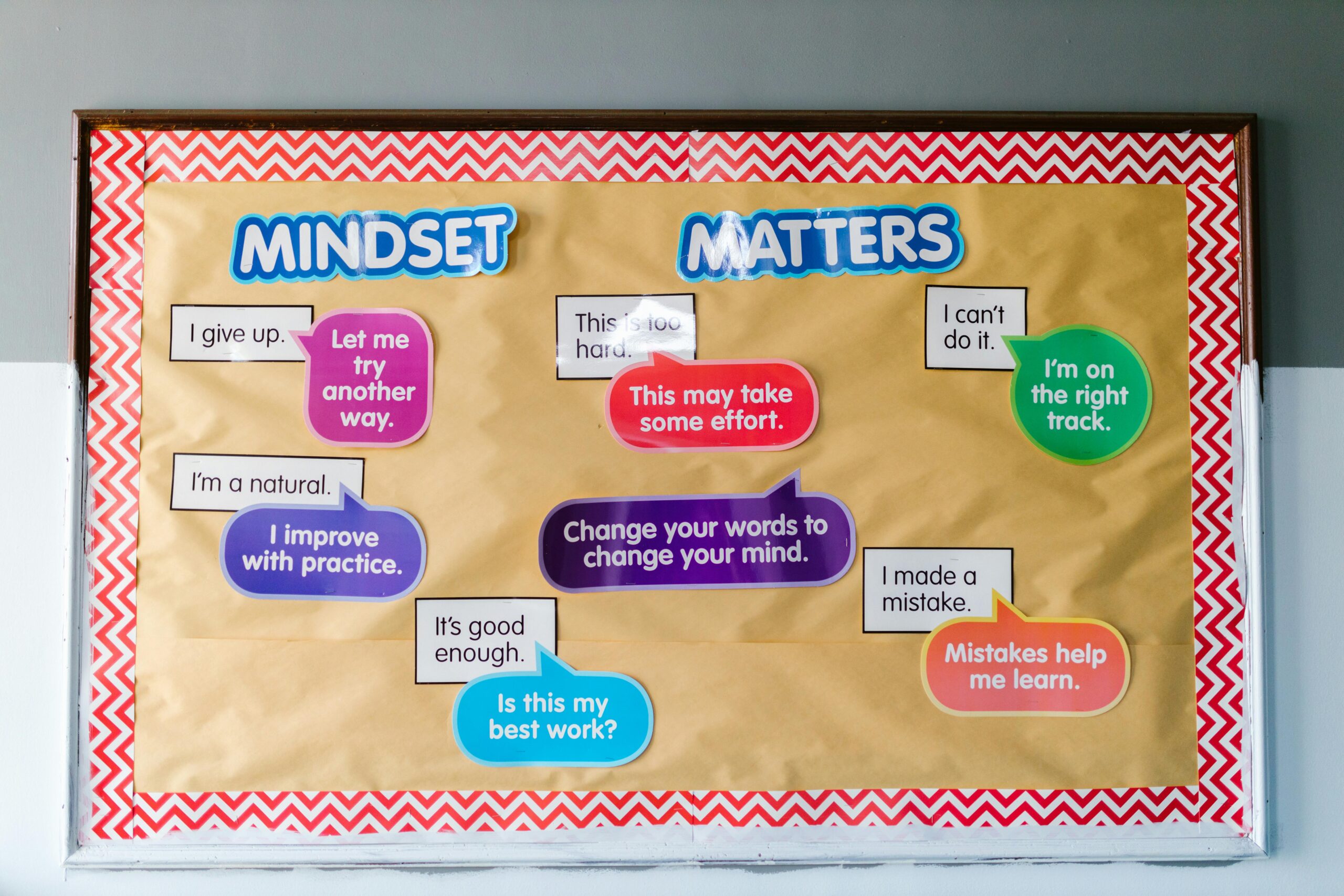
How you interpret setbacks fundamentally shapes whether they derail progress or refine your approach. A growth mindset—viewing abilities as developable through effort rather than fixed traits—creates resilience by framing challenges as opportunities for learning rather than evidence of inadequacy.
When facing obstacles, asking productive questions shifts focus from judgment to problem-solving: What can I learn from this? What would I do differently next time? What’s the smallest step I can take right now to regain momentum? These questions convert setbacks into valuable data points rather than motivational dead ends.
Regular reflection practices—journaling, coaching conversations, or structured self-assessment—help institutionalize this reframing process. Rather than reacting emotionally to difficulties, you develop the habit of extracting insight and adjusting course strategically.
🌱 Cultivating Intrinsic Motivation: Beyond External Rewards
While external motivators—money, recognition, achievement markers—provide initial energy, sustainable motivation increasingly derives from intrinsic sources. Self-determination theory identifies three psychological needs that fuel intrinsic motivation: autonomy, competence, and relatedness.
Autonomy refers to feeling in control of your choices rather than controlled by external forces. Competence involves experiencing mastery and effectiveness. Relatedness means connection to others and contribution to something beyond yourself. Motivation architecture that satisfies these needs generates more sustainable energy than external rewards alone.
Designing for Autonomy: Creating Ownership Within Structure
There’s a perceived tension between structure and autonomy, but effective motivation architecture resolves this paradox. Structure creates the conditions for consistent action, while autonomy ensures those actions feel chosen rather than imposed.
This might mean creating non-negotiable time blocks for important work while maintaining flexibility about exactly what you work on during those blocks. Or establishing a commitment to daily exercise while allowing yourself to choose the specific activity based on energy and preference.
The key is distinguishing between principles (non-negotiable commitments) and tactics (flexible methods). Rigid adherence to specific tactics creates brittleness. Consistent adherence to underlying principles while maintaining tactical flexibility creates both structure and autonomy.
Mastery Pathways: Structuring Continuous Skill Development
The experience of growing competence is intrinsically rewarding. Motivation architecture should include clear pathways for skill development with graduated challenges that stretch capabilities without overwhelming them.
This means breaking large skills into progressively challenging sub-skills, creating clear success criteria at each level, and building in regular opportunities to apply developing abilities. The martial arts belt system exemplifies this principle—visible markers of progress that acknowledge achievement while pointing toward the next challenge.
Seeking regular feedback from mentors, peers, or objective assessment tools provides external validation of growing competence. This feedback should be specific and actionable, focused on how to improve rather than merely rating performance.
💪 Sustaining Energy: Managing Your Motivational Resources
Motivation isn’t unlimited. Like physical energy, it’s a resource that requires management. Sustainable motivation architecture includes practices that replenish motivational energy and prevent depletion.
Willpower research demonstrates that self-control is a depletable resource. Making numerous decisions, resisting temptations, and forcing yourself through unpleasant tasks all drain the same psychological reserve. Effective motivation architecture minimizes unnecessary depletion through strategic automation and energy management.
Strategic Recovery: Building Renewal Into Your System
High performers understand that recovery isn’t laziness—it’s strategic necessity. Building regular recovery periods into your architecture prevents burnout and maintains long-term capacity. This includes daily practices like adequate sleep, physical activity, and genuine breaks, as well as larger recovery cycles like weekly rest days and periodic vacations.
The concept of ultradian rhythms—90 to 120-minute cycles of high and low alertness throughout the day—suggests working with natural energy patterns rather than forcing constant productivity. Structuring focused work in 90-minute blocks followed by brief recovery periods aligns with biological reality and maintains higher quality output.
Protective Prioritization: Saying No to Protect Yes
Every commitment carries opportunity cost. Saying yes to one thing means saying no to something else. Motivation architecture requires ruthless prioritization—identifying the truly important and protecting those priorities by declining distractions, however appealing.
This involves establishing clear criteria for what deserves your limited time and energy. Warren Buffett’s “5/25 rule” illustrates this principle: list your top 25 goals, circle your top 5, then avoid the remaining 20 at all costs because they distract from what matters most. This extreme prioritization prevents the diffusion of effort that leaves you busy but ineffective.
🚀 From Architecture to Action: Implementation Strategies
Understanding motivation architecture is valuable only when translated into action. Implementation requires moving from abstract principles to concrete systems tailored to your specific circumstances, goals, and personality.
Begin with honest assessment. What’s currently working in your life? What consistently fails? Where do you experience the most friction toward desired behaviors? This diagnostic phase identifies the highest-leverage intervention points.
The Phased Build Approach
Attempting to overhaul everything simultaneously usually fails. Instead, adopt a phased approach: identify one keystone area—perhaps morning routines, exercise consistency, or focused work blocks—and build solid architecture there before expanding.
Spend 30 days implementing and refining systems in this initial area. Track what works, adjust what doesn’t, and establish genuine consistency before adding complexity. Once this foundation is solid, expand to the next priority area, building systematically rather than frantically.
This patient approach feels slower initially but generates faster long-term progress because you’re building on stable foundations rather than constantly starting over.
🎭 Navigating the Psychology: Working With Your Brain, Not Against It
Effective motivation architecture acknowledges psychological realities rather than demanding superhuman consistency. We’re prone to present bias (overvaluing immediate gratification), susceptible to decision fatigue, and influenced by emotions more than we’d like to admit.
Rather than viewing these as weaknesses to overcome through willpower, design systems that account for them. Use commitment devices that lock in future behavior when motivation is high. Create environmental defaults that make desired behaviors automatic. Build in accountability that leverages social pressure constructively.
Understanding your personal patterns—when you have highest energy, what triggers procrastination, which environments support focus—allows customization of generic principles into personalized systems. Self-knowledge converts theory into effective practice.
🌟 The Compound Effect: Small Systems, Extraordinary Outcomes
The power of motivation architecture lies not in dramatic transformations but in modest, consistent improvements compounded over time. A 1% daily improvement—barely noticeable in the moment—yields nearly 38 times improvement over a year through the mathematics of compound growth.
This requires patience and faith in the process when immediate results aren’t visible. The gap between actions and outcomes—where consistent effort hasn’t yet produced proportional results—is where most people quit. Robust motivation architecture sustains effort through this valley by maintaining focus on controllable inputs rather than lagging outcomes.
Trust the system you’ve built. Measure the behaviors you control. Adjust based on data rather than emotion. This disciplined approach separates those who achieve lasting success from those who cycle through temporary bursts of effort followed by abandonment.
🔧 Continuous Refinement: Evolution Over Perfection
Your motivation architecture should never be static. As you grow, circumstances change, and goals evolve, your systems must adapt accordingly. Building in regular review cycles—monthly strategic assessments, quarterly comprehensive evaluations—ensures your architecture remains aligned with current priorities.
These reviews examine what’s working, what’s not, and what needs adjustment. They’re opportunities to celebrate progress, course-correct, and recommit to what matters. Without this reflection, you risk continuing strategies that have outlived their usefulness or missing opportunities to leverage emerging strengths.
The goal isn’t perfection but continuous improvement—incrementally building more effective systems that support the life and legacy you’re creating. This iterative approach acknowledges that growth is a journey rather than a destination, and your motivation architecture should evolve alongside you.
Building sustainable motivation architecture is perhaps the most valuable investment you can make in your future. It transforms abstract aspirations into daily reality, converts temporary enthusiasm into lasting discipline, and creates the conditions for continuous growth. By thoughtfully designing your environment, routines, feedback systems, and psychological frameworks, you construct a foundation for achievement that persists regardless of fleeting feelings. The strongest future belongs to those who build the strongest systems today. Your architecture is your destiny—design it deliberately, build it consistently, and refine it continuously. The life you want isn’t created by luck or inspiration alone, but by the careful construction of systems that make success inevitable.
