
Remote work has revolutionized how we approach productivity, but it’s also created unprecedented challenges for maintaining deep, focused work in an era of constant digital distractions.
The shift to distributed teams has fundamentally altered our relationship with concentration. While working from home offers flexibility and eliminates commuting time, it has simultaneously introduced a maze of interruptions—from household responsibilities to the endless ping of notifications across multiple communication platforms. Building a thriving deep work culture in this environment isn’t just beneficial; it’s essential for both individual fulfillment and organizational success.
Deep work, a term popularized by computer science professor Cal Newport, refers to professional activities performed in a state of distraction-free concentration that push cognitive capabilities to their limits. These efforts create new value, improve skills, and are difficult to replicate. In a remote setting, cultivating this type of work requires intentional strategies, clear boundaries, and a supportive organizational culture that prioritizes quality over constant availability.
🎯 Understanding the Remote Focus Crisis
The modern remote worker faces a paradox: we have more control over our environment than ever before, yet we’re more distracted than at any point in history. Research indicates that it takes an average of 23 minutes to fully regain focus after an interruption, and remote workers experience interruptions every 11 minutes on average. This creates a fragmented work experience where deep work becomes nearly impossible without deliberate intervention.
The problem intensifies in remote environments because traditional office boundaries have dissolved. There’s no physical separation between work and personal life, no visible cues that someone is in deep concentration mode, and no natural rhythm of office hours. Communication tools designed to facilitate collaboration can become productivity killers when misused, creating an expectation of immediate response that undermines focused work.
Organizations that fail to address this crisis face serious consequences: decreased innovation, higher employee burnout, reduced work quality, and ultimately, competitive disadvantage. The companies that will thrive in the remote era are those that deliberately architect systems and cultures that protect and promote deep work.
🏗️ Architecting Deep Work Time Blocks
The foundation of any deep work culture is protected time—periods when individuals can work without interruptions, meetings, or the expectation of immediate communication. Implementing time blocking at an organizational level requires both structure and flexibility, allowing teams to maintain collaboration while respecting individual focus needs.
Start by designating “core focus hours” across your organization. These are periods, perhaps from 9 AM to 12 PM or 2 PM to 5 PM, when no meetings are scheduled, and asynchronous communication is the default. During these windows, team members know they can dive deep into complex tasks without fear of interruption. This approach works particularly well for distributed teams across time zones, as it can be adapted to different schedules while maintaining the principle.
Individual time blocking takes this concept further. Encourage team members to calendar their deep work sessions just as they would meetings, treating these blocks as sacred appointments with themselves. This practice makes focus time visible to colleagues and creates accountability for actually using that time productively rather than letting it drift into shallow tasks.
Creating the Right Environment for Focus
Physical space matters profoundly for deep work, even in remote settings. While not everyone has the luxury of a dedicated home office, optimizing whatever space is available makes a measurable difference. This includes minimizing visual distractions, ensuring proper lighting, using noise-cancelling headphones or white noise to control the auditory environment, and establishing ergonomic setups that support extended periods of concentration.
Digital environment design is equally crucial. This means turning off non-essential notifications, using website blockers during focus sessions, keeping only relevant tabs open, and physically separating devices when possible. Many successful remote workers maintain separate user profiles or devices for focused work versus communication-heavy tasks, creating a psychological boundary that triggers different modes of engagement.
📱 Technology as Enabler, Not Disabler
The same technology that threatens our focus can also protect it when used strategically. Focus apps and productivity tools designed for deep work can transform how remote workers manage their attention and energy throughout the day.
Time tracking and focus applications help workers understand their actual productivity patterns. Tools like RescueTime provide insights into where time actually goes, revealing the gap between perceived and actual productivity. This awareness often serves as a wake-up call, motivating behavior change and more intentional technology use.
Pomodoro technique apps break work into focused intervals, traditionally 25 minutes of deep work followed by 5-minute breaks. This approach aligns with natural attention cycles and creates a sustainable rhythm for extended focus. Apps like Forest gamify the process, growing a virtual tree during focus sessions that dies if you leave the app—a playful but effective deterrent against distraction.

Communication tools must be configured thoughtfully. Slack, Microsoft Teams, and similar platforms should have status settings that genuinely indicate availability, with team agreements to respect these signals. “Do Not Disturb” modes need organizational buy-in to be effective—if your culture punishes people for being unavailable, the technical feature becomes useless.
🤝 Building Cultural Norms That Support Deep Work
Technology and individual strategies fail without supportive organizational culture. Leaders must actively model and reinforce behaviors that prioritize deep work over performative busyness. This cultural shift requires conscious effort and consistent communication about values and expectations.
Establishing asynchronous communication as the default represents one of the most powerful cultural interventions. This means documenting decisions, using project management tools effectively, recording meetings for those who couldn’t attend, and eliminating the expectation of immediate responses to non-urgent messages. When done well, asynchronous communication actually improves collaboration by giving everyone time to provide thoughtful input rather than reflexive reactions.
Leaders should explicitly communicate that focus time is valued and protected. This includes respecting blocked calendar time, not scheduling unnecessary meetings, celebrating deep work outputs rather than hours logged online, and sharing stories of how focused work led to breakthroughs. When executives publicly protect their own deep work time, it gives everyone else permission to do the same.
The Meeting Reformation
Nothing destroys deep work culture faster than excessive meetings. Remote work initially reduced some meeting overhead, but many organizations have seen meeting time creep back up or even exceed pre-pandemic levels. A thriving deep work culture requires ruthless meeting discipline.
Implement clear criteria for what deserves a meeting: decisions requiring real-time discussion, complex problems benefiting from synchronous collaboration, or relationship-building conversations. Everything else should default to asynchronous communication. When meetings are necessary, they should have clear agendas, defined outcomes, appropriate duration (often shorter than scheduled), and disciplined time management.
Consider establishing meeting-free days or half-days each week. Some organizations have implemented “Focus Fridays” where no internal meetings are scheduled, giving everyone a guaranteed stretch of uninterrupted time to make progress on complex work. This practice alone can dramatically improve both productivity and morale.
⚡ Energy Management Over Time Management
Deep work isn’t just about finding time; it’s about having the mental energy to use that time effectively. Remote workers must become skilled energy managers, understanding their personal rhythms and structuring work accordingly.
Most people have natural energy peaks and valleys throughout the day. Chronobiology research shows that cognitive performance varies significantly based on circadian rhythms, with most people experiencing peak focus in the late morning and secondary peaks in the late afternoon. Schedule your most demanding deep work during your personal energy peaks, reserving lower-energy periods for routine tasks, meetings, and administrative work.
Regular breaks aren’t productivity killers—they’re productivity enablers. The brain needs recovery periods to maintain high-level focus. Research on ultradian rhythms suggests working in 90-minute cycles with breaks between sessions. During breaks, physically move away from your workspace, preferably getting outside or doing light physical activity. These recovery periods allow your focused attention networks to rest and restore capacity.
The Role of Physical Health
Deep work capacity depends fundamentally on physical wellbeing. Remote workers who neglect exercise, nutrition, and sleep inevitably see their focus deteriorate. Building a deep work culture means normalizing conversations about health and creating expectations that support wellbeing rather than undermine it.
Organizations can support this through flexible scheduling that accommodates exercise, encouraging midday breaks for movement, providing stipends for home office ergonomics or gym memberships, and most importantly, modeling healthy boundaries around work hours. When leaders consistently work excessive hours and respond to messages at all times, they implicitly communicate that this is expected, regardless of official policies.
📊 Measuring What Matters
Traditional productivity metrics often measure the wrong things—hours logged, messages sent, or meetings attended rather than meaningful output. A deep work culture requires redefining success metrics to align with actual value creation.
Focus on outcomes rather than activity. What did the team accomplish? What problems were solved? What was created or improved? These questions reveal real productivity in ways that activity metrics never can. For individual contributors, this might mean tracking completed projects, key milestones reached, or quality indicators rather than hours worked.
Consider implementing regular reflection practices where individuals and teams assess their deep work effectiveness. Simple questions can be illuminating: How many hours of genuine deep work did you achieve this week? What enabled that focus? What obstacles prevented it? This reflection builds awareness and helps identify systemic issues that need addressing.
🌱 Sustainable Deep Work Practices
Building a deep work culture isn’t a one-time initiative; it’s an ongoing commitment that must evolve with your team and organization. Sustainability requires balancing ambition with realism, recognizing that perfect focus isn’t achievable or even desirable every day.
Start with manageable expectations. If your team currently achieves almost no deep work, don’t expect everyone to suddenly sustain four-hour focus sessions. Begin with 30-60 minute blocks and gradually expand as people build their focus capacity. This progressive approach prevents burnout and allows habits to take root before increasing demands.
Create feedback loops where teams regularly discuss what’s working and what isn’t. Deep work practices that succeed in one team might fail in another due to different work types, time zones, or team dynamics. Encourage experimentation and adaptation rather than rigid adherence to specific methods.
Balancing Collaboration and Solitude
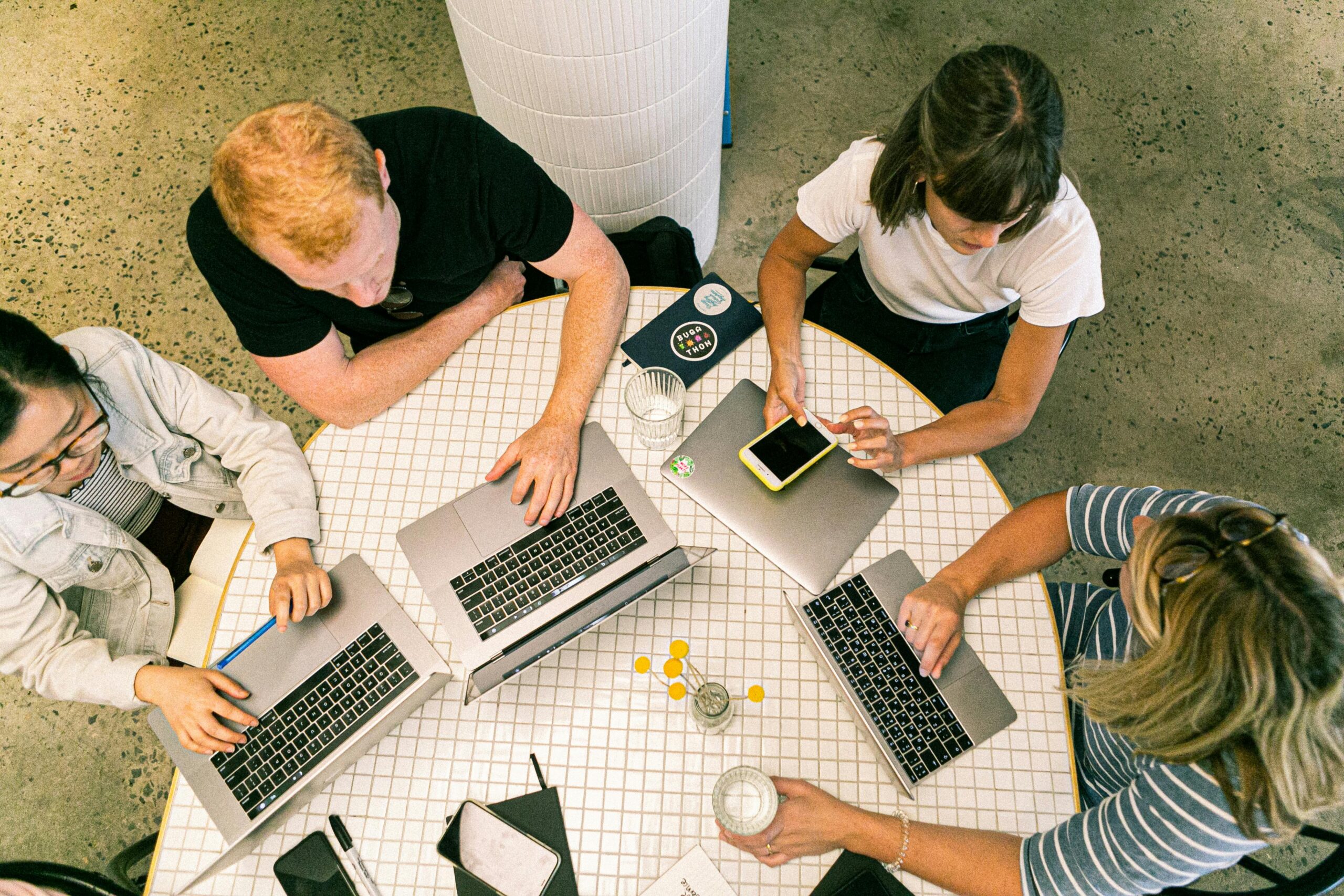
Deep work culture doesn’t mean eliminating collaboration—it means being intentional about when and how collaboration happens. Some of the most innovative work emerges from collaborative deep work sessions where small groups intensely focus on a shared problem without distraction.
Schedule dedicated collaboration sessions separate from individual deep work time. These might include brainstorming sessions, pair programming, design workshops, or strategic planning meetings. By clearly delineating collaborative and solitary work periods, teams get the benefits of both without the costs of constant context-switching.
🚀 Leading the Deep Work Revolution
Transforming organizational culture around deep work requires leadership at all levels, not just from executives. Individual contributors can influence their immediate teams, managers can reshape departmental norms, and executives can establish company-wide policies and practices.
Start by articulating why deep work matters for your specific organization. Connect it to strategic goals, competitive advantage, employee satisfaction, or whatever resonates with your team’s values and objectives. When people understand the “why,” they’re more willing to embrace the necessary changes.
Provide training and resources to help people develop deep work skills. Many professionals have never deliberately practiced sustained focus and don’t naturally know how to build these capabilities. Workshops, shared resources, mentoring, and dedicated time for skill development can accelerate the cultural transformation.
Most importantly, persist through resistance and setbacks. Cultural change is difficult and nonlinear. Some team members will embrace deep work practices immediately while others resist. Some experiments will succeed while others fail. The organizations that build thriving deep work cultures are those that remain committed through these challenges, continuously learning and adapting their approach.
The remote work revolution has created both unprecedented challenges and opportunities for how we work. By deliberately building cultures that protect and promote deep work, organizations can unlock the full potential of their distributed teams. This isn’t about returning to old ways of working or rejecting the benefits of remote flexibility—it’s about thoughtfully designing new ways of working that combine the best of both worlds: the flexibility and autonomy of remote work with the focus and flow states that produce our best work. The future belongs to organizations that master this balance, creating environments where people can do the deep work that truly matters while maintaining the wellbeing and flexibility that make remote work worthwhile.
