
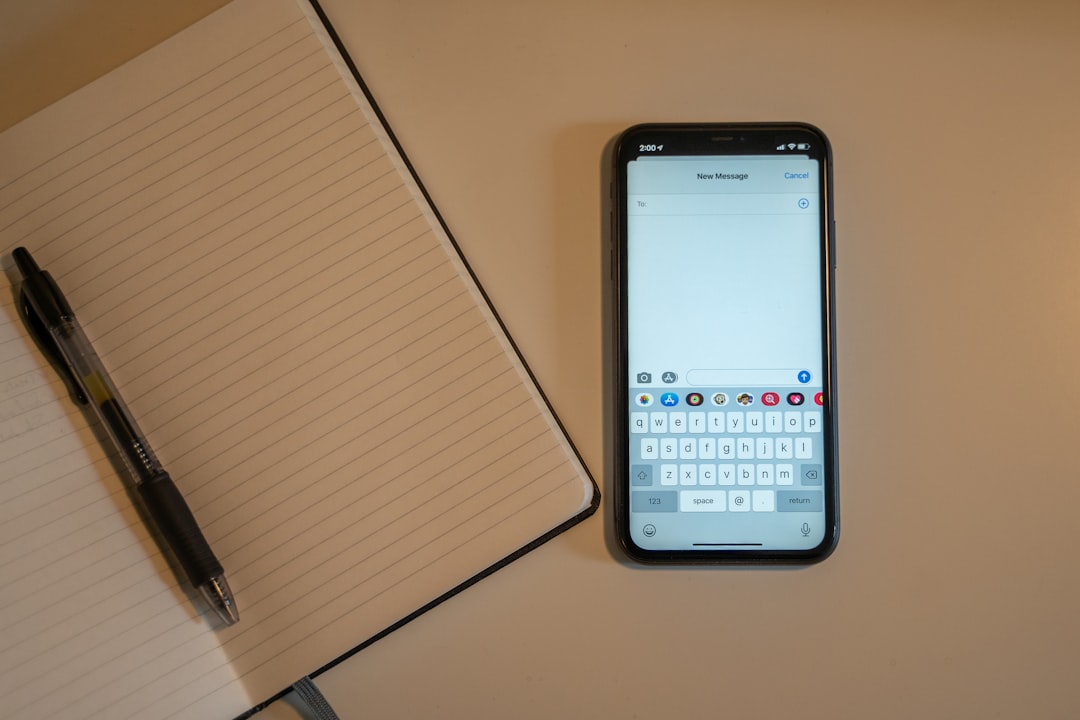
Learning a new language has never been more accessible, thanks to the rise of innovative language learning apps that fit right in your pocket.
Whether you’re preparing for an international trip, advancing your career, or simply exploring a new culture, language apps have transformed how we approach learning. Gone are the days when mastering a foreign language required expensive classes, bulky textbooks, or rigid schedules that didn’t fit into busy lifestyles.
Today’s language learning platforms leverage cutting-edge technology, gamification, and personalized learning paths to make the journey engaging and effective. With features ranging from speech recognition to interactive lessons and community support, these apps cater to learners of all levels—from absolute beginners to advanced polyglots looking to refine their skills.
🌍 Why Language Learning Apps Have Become Essential
The global shift toward digital learning has positioned language apps at the forefront of educational technology. With over 1.5 billion people worldwide learning a new language, mobile applications have democratized access to quality education that was once limited to privileged groups or specific geographical locations.

These platforms offer unprecedented flexibility. You can practice during your morning commute, while waiting in line for coffee, or before bedtime. The bite-sized lessons typically last between 5 to 15 minutes, making it easy to maintain consistency—the most crucial factor in language acquisition.
Moreover, language apps provide immediate feedback through artificial intelligence and machine learning algorithms. This instant correction helps learners identify and fix mistakes in real-time, accelerating the learning process significantly compared to traditional methods where feedback might come days or weeks later.
📱 Key Features That Make Language Apps Effective
Modern language learning applications incorporate several sophisticated features designed to optimize the learning experience and maintain user engagement over extended periods.
Adaptive Learning Technology
The best language apps use adaptive algorithms that adjust to your learning pace and style. If you’re struggling with verb conjugations, the system will provide additional practice in that area. If you’re excelling at vocabulary but weak in pronunciation, the app recalibrates to address those gaps.
This personalized approach ensures that no two learners have identical experiences, making the process more efficient than one-size-fits-all classroom instruction.
Gamification Elements
Learning streaks, points, badges, and leaderboards transform language acquisition from a chore into an enjoyable game. These motivational tools tap into our natural desire for achievement and competition, encouraging daily practice and long-term commitment.
Many users report that the gamification aspect becomes addictive in the best possible way, creating positive habits that persist even after the novelty wears off.
Speech Recognition and Pronunciation Practice
Advanced voice recognition technology allows learners to practice speaking without the intimidation of talking to a native speaker before they’re ready. The app analyzes your pronunciation, accent, and intonation, providing specific feedback on areas that need improvement.
This feature addresses one of the biggest challenges in language learning: overcoming the fear of speaking and making mistakes in front of others.
🎯 Choosing the Right App for Your Learning Style
With hundreds of language learning apps available, selecting the right one can feel overwhelming. Understanding your personal learning preferences and goals is the first step toward making an informed choice.
Visual learners might prefer apps with rich graphics, videos, and image associations. Auditory learners benefit from platforms emphasizing listening exercises and podcasts. Kinesthetic learners thrive with interactive games and hands-on activities.
Free vs. Premium Subscriptions
Most language apps operate on a freemium model, offering basic features at no cost while reserving advanced functionalities for paying subscribers. Free versions typically include core lessons but may have limitations on daily usage, offline access, or advanced features like grammar explanations and cultural insights.
Premium subscriptions generally range from $10 to $30 per month, with significant discounts for annual commitments. Consider starting with the free version to test compatibility with your learning style before investing in a subscription.
Course Quality and Language Options
Not all apps offer equal quality across all languages. Some platforms excel in popular languages like Spanish, French, or Mandarin but provide limited resources for less common languages. Research reviews specifically for the language you want to learn to ensure adequate course depth and regular content updates.
💡 Maximizing Your Learning Success
Simply downloading a language app doesn’t guarantee fluency. Success requires strategic approach, consistency, and supplementation with other learning methods.
Establish a Daily Practice Routine
Consistency trumps intensity in language learning. Fifteen minutes daily produces better long-term results than sporadic hour-long sessions. Schedule your practice at the same time each day to build automatic habits that require less willpower to maintain.
Morning practice works well for many people, as it energizes the brain and ensures completion before daily distractions accumulate. Others prefer evening sessions as a relaxing wind-down activity.
Supplement with Native Content
While apps provide excellent structured learning, authentic language exposure accelerates progress dramatically. Watch movies, listen to podcasts, read news articles, or follow social media accounts in your target language.
This immersion exposes you to natural speech patterns, slang, cultural references, and vocabulary that structured courses might overlook. It also helps maintain motivation by connecting language learning to real-world applications and interests.
Practice with Real Conversation Partners
Language apps excel at teaching vocabulary and grammar but can’t fully replicate the spontaneity and emotional nuance of human conversation. Seek language exchange partners through apps designed for this purpose, or join local conversation groups to practice speaking with native speakers.
Many language learners report that their first real conversation reveals gaps that app-based learning didn’t address, making this supplementary practice invaluable.
🚀 Advanced Features Reshaping Language Education
The newest generation of language apps incorporates technologies that were science fiction just a decade ago, creating increasingly immersive and effective learning experiences.
Artificial Intelligence Tutors
AI-powered chatbots simulate conversation with remarkable realism, providing unlimited practice opportunities without scheduling conflicts or social anxiety. These virtual tutors adapt to your level, offer corrections, and can discuss virtually any topic you choose.
As natural language processing continues advancing, these AI tutors become increasingly indistinguishable from human conversation partners, offering scalable practice that traditional methods can’t match.
Virtual and Augmented Reality
Some cutting-edge apps now incorporate VR and AR technologies, placing learners in simulated environments where they must navigate situations entirely in their target language. Imagine practicing restaurant ordering in a virtual Parisian café or negotiating prices at a digital Moroccan market.
These immersive experiences create stronger memory associations and contextual understanding compared to traditional text-based learning, though the technology remains relatively expensive and requires specialized hardware.
Community Learning Features
Social features transform solitary app usage into community experiences. Discussion forums, language clubs, live classes, and peer review systems create accountability and provide cultural insights that algorithms alone cannot offer.
Many learners credit these community features with maintaining their motivation during challenging intermediate phases when initial novelty fades and fluency still feels distant.
📊 Measuring Progress and Setting Realistic Expectations
Language apps provide detailed analytics showing streaks, lessons completed, and words learned, but these metrics don’t always correlate directly with practical fluency. Understanding realistic timelines helps maintain motivation and prevents premature discouragement.
Research suggests that achieving conversational proficiency in languages similar to your native tongue requires approximately 600-750 hours of study. For languages with different writing systems or grammatical structures, expect 2,200 hours or more. Breaking these daunting numbers into daily 15-minute sessions makes the goal achievable over 2-4 years.
The Plateau Problem
Most learners experience rapid initial progress as they master basic vocabulary and simple grammar. Then comes the inevitable intermediate plateau where advancement slows dramatically. This phase frustrates many into quitting, but it’s actually when the deepest learning occurs.
Language apps can help navigate this challenging period through varied content, cultural lessons, and increasingly complex material that maintains engagement when basic lessons become too easy.
🌟 Real Success Stories and Transformative Experiences
Countless individuals have achieved remarkable language proficiency primarily through app-based learning, demonstrating that these tools deliver genuine results when used consistently and strategically.
Professionals have landed international job opportunities, travelers have forged deep friendships abroad, and retirees have discovered new cognitive challenges that keep their minds sharp. The accessibility of language apps has enabled people who never imagined learning a foreign language to achieve conversational fluency.
These success stories share common elements: daily practice without exception, supplementation with native content, willingness to make mistakes, and patience through inevitable plateaus. The apps provided the structure and content, but user commitment made the difference.
🔮 The Future of Language Learning Technology
As technology evolves, language learning apps will become even more sophisticated, personalized, and effective. Brain-computer interfaces might eventually enable direct language downloads, though that remains firmly in the realm of speculation.
More realistically, expect enhanced AI tutors that detect emotional states and adjust teaching approaches accordingly, holographic conversation partners that appear in your living room, and neuroscience-based learning algorithms that optimize lesson timing based on your individual memory consolidation patterns.
Real-time translation technology continues improving, raising philosophical questions about whether learning languages remains necessary. However, most experts agree that direct language knowledge provides cultural insights, cognitive benefits, and human connections that automated translation cannot replicate.

🎓 Making Language Learning a Lifelong Journey
Perhaps the greatest gift of language learning apps isn’t just the languages they teach but the doors they open to lifelong curiosity and continuous growth. Each new language provides a different lens for understanding the world, revealing concepts and perspectives that don’t exist in your native tongue.
The convenience of mobile learning removes traditional barriers, making this enriching pursuit accessible during any phase of life. Whether you’re a student, busy professional, parent, or retiree, language apps meet you where you are and accommodate your schedule.
Starting is as simple as downloading an app and completing your first lesson today. The journey of a thousand words begins with a single tap, and the world that opens up through language learning is limited only by your curiosity and commitment. 🌏✨
