
Struggling with low audio output on your smartphone can be frustrating, especially when watching videos, listening to music, or taking calls in noisy environments.
Whether your phone’s speakers aren’t loud enough by default or they’ve weakened over time, there are practical solutions available. Volume booster apps have become increasingly popular tools that help users amplify their device’s sound beyond the manufacturer’s standard limits.
These applications work by manipulating the audio output settings of your smartphone, allowing you to push the volume boundaries safely. Before diving into specific apps and methods, it’s essential to understand how they function and what considerations you should keep in mind to protect your device’s speakers and your hearing.
🔊 Why Your Phone Volume Might Be Insufficient
Many smartphone users experience situations where the maximum volume simply doesn’t cut it. Several factors contribute to this common frustration that affects both Android and iOS devices.
Manufacturers often limit maximum volume levels to comply with international hearing safety regulations. While this protects users from potential hearing damage, it can make listening difficult in loud environments like public transportation, crowded streets, or outdoor settings.
Hardware degradation is another significant factor. Over time, speakers accumulate dust and debris, reducing their efficiency. The tiny openings where sound exits can become partially blocked, muffling the output and making everything sound quieter than it should.
Software updates sometimes introduce unexpected volume limitations. What worked perfectly before an OS update might suddenly seem quieter, as manufacturers adjust audio profiles to meet new standards or fix perceived issues.
Additionally, certain apps have their own volume controls that operate independently from your system settings. You might have your phone at maximum volume while the streaming app you’re using is set much lower, creating a confusing situation where adjusting one doesn’t affect the other.


📱 How Volume Booster Apps Actually Work
Understanding the technology behind volume enhancement applications helps you use them effectively and safely. These apps don’t magically create more sound—they work with your phone’s existing capabilities in clever ways.
Most volume booster apps function by manipulating the audio stream before it reaches your speakers. They apply amplification algorithms that increase the signal strength, similar to how a stereo amplifier works. This software-based amplification can push audio beyond the standard limitations set by manufacturers.
Another technique involves equalization adjustments. By boosting specific frequency ranges, these apps can make audio sound louder without actually increasing overall volume. This approach is particularly effective for speech clarity and certain music genres.
Some advanced applications use compression and limiting techniques borrowed from professional audio engineering. These methods reduce the dynamic range of audio, making quiet parts louder while preventing the loudest parts from distorting. The result is perceived increased volume without requiring higher peak levels.
It’s worth noting that different apps use varying approaches, and some combine multiple techniques for optimal results. The effectiveness depends on your specific phone model, speaker quality, and the type of audio content you’re trying to amplify.
🎯 Top Features to Look for in Volume Apps
Not all volume booster applications are created equal. Knowing what features matter most helps you choose the right tool for your needs and ensures you get genuine improvements rather than disappointing results.
A quality volume booster should offer precise control over amplification levels. Look for apps with slider controls or percentage indicators that let you fine-tune the boost amount rather than just providing an on/off switch.
Equalizer functionality adds tremendous value. The ability to adjust different frequency bands means you can enhance specific aspects of audio—boosting vocals for clearer phone calls or increasing bass for music without making everything sound distorted.
Battery efficiency matters significantly. Some poorly designed apps constantly run in the background, draining your battery unnecessarily. The best applications activate only when needed and have minimal impact on battery life during normal use.
Safety features like distortion prevention and volume warnings protect both your device and your hearing. Apps that automatically reduce boost when they detect potential speaker damage demonstrate responsible design.
User interface simplicity cannot be overstated. The best volume boosters work with just a few taps, without requiring extensive configuration or technical knowledge. Quick access widgets and notification controls make adjustments convenient when you need them most.

⚡ Installation and Setup Made Simple
Getting started with a volume booster app is straightforward, but following the right steps ensures optimal performance and prevents common issues that frustrate new users.
Begin by downloading your chosen application from official sources only. For Android users, the Google Play Store is your safest option, while iPhone users should stick to the Apple App Store. Avoid third-party app repositories that might offer modified versions with security risks.
After installation, grant the necessary permissions when prompted. Volume booster apps typically need access to audio settings and sometimes notification permissions to function properly. These requests are legitimate and required for the app to modify your sound output.
Start with conservative boost settings. Rather than immediately maxing out the amplification, begin with a modest increase of 10-20% and test the results. This cautious approach prevents potential speaker damage and helps you find the sweet spot between volume and quality.
Test the app with different types of content. Play various audio sources—music, videos, podcasts, and ringtones—to ensure the booster works effectively across all scenarios. Some apps perform better with certain content types, and testing helps you understand these nuances.
Configure any available presets or profiles. Many quality apps offer modes for different situations like “Outdoor,” “Headphones,” or “Speaker.” Setting these up saves time and automatically applies appropriate settings based on how you’re using your phone.
🛡️ Safety Considerations and Best Practices
While volume booster apps provide valuable functionality, using them responsibly protects your device’s hardware and your personal hearing health. Understanding the risks helps you enjoy enhanced audio without negative consequences.
Prolonged use at maximum amplification can permanently damage your phone’s speakers. The components are designed to operate within specific parameters, and consistently pushing beyond those limits causes physical wear. The vibrations become excessive, potentially loosening internal components or tearing speaker membranes.
Your hearing deserves equal protection. Extended exposure to loud audio, especially through headphones, can cause irreversible hearing damage. If you need volume boosting regularly when using earbuds, consider this a sign that you might already have hearing sensitivity issues worth checking with a professional.
Audio distortion indicates you’ve gone too far. When sound becomes harsh, crackly, or unclear, you’re exceeding what your hardware can cleanly reproduce. This distortion not only sounds unpleasant but signals that you’re in the danger zone for speaker damage.
Create listening breaks when using elevated volume levels. Even if your speakers can handle the boost, your ears need rest. The 60/60 rule works well: listen at no more than 60% maximum volume for no longer than 60 minutes at a time, then give your ears a break.
Monitor your phone’s temperature during extended boosted playback. Excessive heat generation suggests the amplification is pushing your device’s components beyond comfortable operating ranges. If your phone feels unusually warm, reduce the boost level or take a break.
🎵 Optimizing Sound Quality While Boosting Volume
Increasing volume shouldn’t mean sacrificing audio quality. Smart users know how to achieve louder output while maintaining clarity and richness in their audio experience.
Equalization is your most powerful tool for quality enhancement. Rather than uniformly boosting all frequencies, identify which ranges need emphasis. For speech clarity, focus on mid-range frequencies around 2-4 kHz. For music, experiment with bass and treble adjustments that complement the volume increase.
Audio format matters significantly. High-quality audio files naturally sound better when amplified compared to heavily compressed formats. If you’re serious about sound quality, consider using lossless formats like FLAC or high-bitrate MP3s rather than streaming at low quality settings.
Clean your phone’s speakers regularly. This simple maintenance step dramatically improves audio output without any app. Use a soft brush or compressed air to remove dust and lint from speaker grills. You’ll be surprised how much volume you regain through simple cleaning.
External speaker positioning affects perceived volume and quality. When placing your phone on surfaces, avoid soft materials like beds or couches that absorb sound. Hard, flat surfaces reflect audio better, making everything sound louder and clearer naturally.
Consider the acoustics of your environment. A volume booster can’t overcome poor room acoustics. In very large or acoustically dead spaces, even boosted phone speakers have limitations. In these situations, external Bluetooth speakers might be a better solution than pushing your phone to its limits.
📊 Comparing Different Volume Enhancement Methods
Volume booster apps aren’t the only solution for quiet audio output. Understanding alternative approaches helps you choose the most appropriate solution for your specific situation and needs.
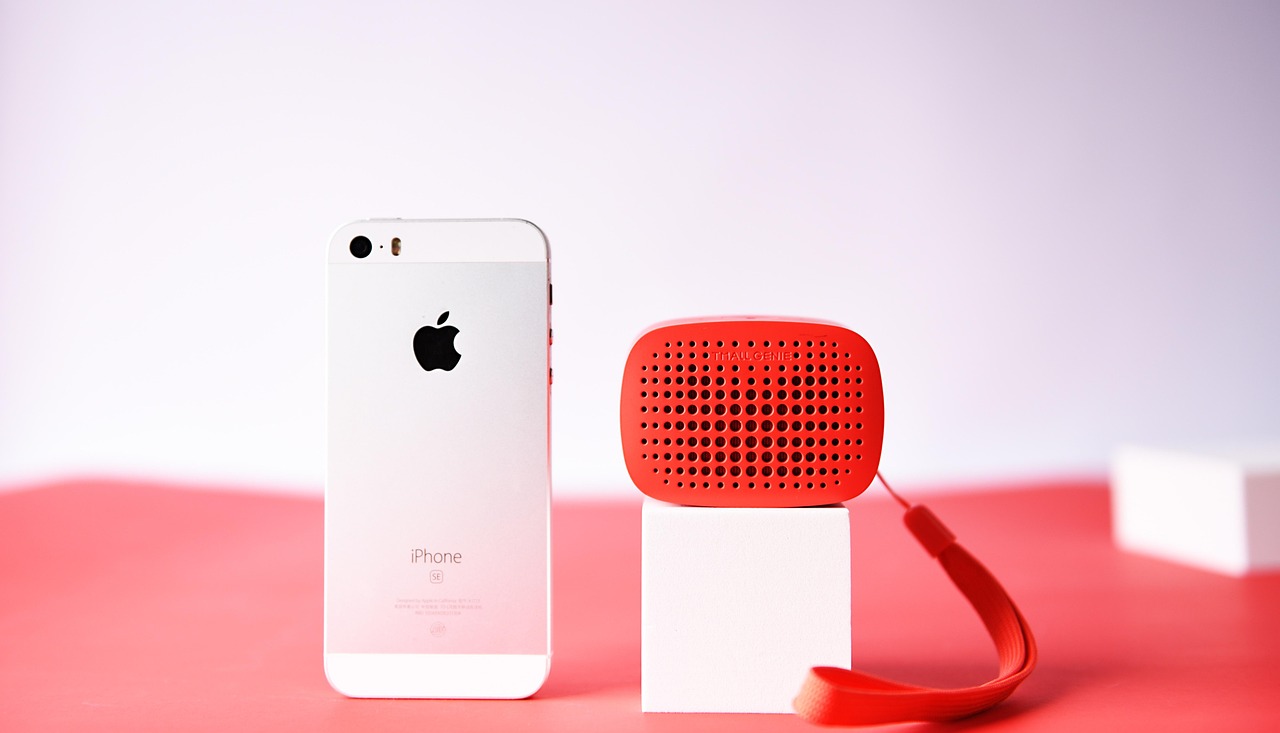
Hardware accessories like amplified speakers or quality headphones offer superior sound compared to boosted internal speakers. While these require additional investment, they provide genuinely louder audio without stressing your phone’s components. Portable Bluetooth speakers have become affordable and offer dramatically better performance.
System-level adjustments sometimes solve volume issues without third-party apps. Both Android and iOS include hidden audio settings that many users never explore. Developer options on Android contain volume boost settings, while iOS accessibility features include audio amplification tools designed for hearing-impaired users but available to everyone.
Professional audio apps with built-in equalizers provide volume enhancement alongside other features. Media players like Poweramp for Android or specialized music apps often include amplification capabilities superior to standalone volume boosters, with better integration and fewer compatibility issues.
Physical modifications represent the most permanent solution. Some technically skilled users replace phone speakers with higher-quality components, though this voids warranties and requires expertise. For most people, this extreme approach isn’t practical or necessary.
Cloud-based audio enhancement is an emerging approach. Some streaming services now offer server-side normalization and enhancement that optimizes audio before it reaches your device. This method works without device-side apps and doesn’t stress your hardware.
🔧 Troubleshooting Common Volume Booster Issues
Even the best volume booster apps occasionally encounter problems. Knowing how to resolve common issues quickly gets you back to enjoying enhanced audio without frustration.
If your volume booster isn’t working at all, check permissions first. Navigate to your phone’s settings, find the app, and verify it has all requested permissions enabled. Audio access is particularly critical and sometimes gets disabled during system updates.
Distortion despite moderate boost levels often indicates conflicting audio enhancements. Many phones have manufacturer-specific sound profiles or equalizers that clash with third-party boosters. Disable these built-in features or the booster app—running both simultaneously causes unpredictable results.
Battery drain problems usually stem from apps that don’t properly sleep when inactive. Check your battery usage statistics to identify whether the volume booster is consuming excessive power. Consider switching to a different app with better power management if the problem persists.
Audio cutting out or stuttering suggests resource conflicts. Close unnecessary background apps to free up processing power. Volume enhancement requires computational resources, and underpowered devices sometimes struggle when many apps compete for attention.
The app stops working after updates typically happens because Android or iOS security changes restrict audio access. Check for app updates that address compatibility with your current operating system version. Developers usually release patches quickly after major OS updates.
🌟 Alternative Uses Beyond Music and Videos
Volume booster applications offer value beyond entertainment consumption. Creative users have discovered numerous practical applications that improve daily smartphone functionality in unexpected ways.
Alarm volume enhancement ensures you never oversleep due to a too-quiet alert. Standard alarm apps sometimes don’t provide sufficient volume for heavy sleepers or people in noisy environments. A volume booster running in the background guarantees your morning alarm cuts through whatever conditions exist.
Navigation apps become more useful with boosted audio. When driving in noisy conditions or vehicles with poor acoustics, hearing turn-by-turn directions can be challenging. Enhanced volume ensures you don’t miss important navigation prompts at critical moments.
Phone calls in loud environments benefit tremendously from selective volume boosting. Rather than struggling to hear callers in crowded spaces, a quick boost makes conversations possible even in less-than-ideal acoustic situations.
Accessibility improvements help users with hearing difficulties. While not a replacement for proper hearing aids, volume boosters provide temporary assistance for people with mild hearing loss, making device interaction more accessible without specialized equipment.
Notification amplification ensures you don’t miss important alerts. Many users keep phones in bags or pockets where standard notification sounds get muffled. A volume booster makes alerts audible even when your phone isn’t in your immediate possession.
💡 Making the Most of Your Enhanced Audio Experience
Maximizing the benefits of volume booster apps requires understanding not just how to use them, but when and where they provide the most value in your daily routine.
Create situation-specific profiles if your chosen app supports them. Different scenarios require different audio configurations—what works perfectly outdoors might be excessive indoors. Quick-switch profiles prevent constant manual adjustments and provide instantly appropriate sound for each context.
Combine volume boosting with content selection for optimal results. Certain types of audio content respond better to amplification than others. Podcasts and audiobooks with clear vocal tracks boost effectively, while heavily compressed music might sound worse when amplified beyond natural limits.
Schedule automatic adjustments based on your routine. Some advanced apps support automation that applies specific settings during certain times or in particular locations. Your phone could automatically boost volume during your commute and return to normal levels when you arrive home.
Integrate volume boosting with other audio enhancement tools. Don’t rely solely on amplification—combine it with equalization, bass enhancement, and stereo widening features for a comprehensive audio improvement. The synergy between multiple enhancements often exceeds what any single adjustment achieves.
Regular app maintenance keeps performance optimal. Periodically clear cache data, update to the latest version, and review your settings to ensure they still match your needs. Audio technology evolves quickly, and staying current with app updates brings improvements and new features.
🎧 Understanding Device-Specific Considerations
Different smartphones respond uniquely to volume enhancement attempts. Recognizing these variations helps you set realistic expectations and choose appropriate strategies for your specific device.
Premium flagship phones typically offer better results from volume boosters. Their superior speakers and audio processing hardware can handle amplification more gracefully without distortion. Budget devices have more limited speakers that reach their physical limits sooner, restricting effective boost levels.
Android devices provide more flexibility than iOS for volume modification. Android’s open architecture allows apps deeper access to audio systems, enabling more powerful enhancement capabilities. iOS restrictions mean iPhone volume boosters work differently, often focusing on specific apps rather than system-wide enhancement.
Older devices may experience performance issues when running modern volume booster apps. The computational requirements of real-time audio processing can tax aging processors, causing lag, battery drain, or audio stuttering. If you have an older phone, look for lightweight booster apps designed for efficiency.
Manufacturer-specific audio features sometimes conflict with third-party boosters. Brands like Samsung, Xiaomi, and OnePlus include proprietary sound enhancements that might clash with external apps. Understanding your phone’s built-in audio features helps you avoid conflicts and make informed decisions about whether additional apps are necessary.
Water and dust resistance considerations matter for speaker longevity. Phones with IP ratings have sealed speaker chambers that might respond differently to sustained volume boosting. While the seals protect against liquids, they also slightly constrain speaker movement, potentially making them more vulnerable to damage from excessive amplification.
🚀 Future Trends in Mobile Audio Enhancement
The landscape of smartphone audio technology continues evolving rapidly. Understanding emerging trends helps you anticipate future capabilities and make informed decisions about current investments in audio enhancement solutions.
Artificial intelligence integration is transforming how volume boosters work. Next-generation apps use machine learning to analyze audio content in real-time, applying intelligent enhancements that adapt to what you’re listening to. These smart systems distinguish between speech, music, and ambient sounds, optimizing each differently.
Spatial audio technologies are moving beyond premium headphones into smartphone speakers. Future volume boosters might incorporate 3D sound processing that makes audio seem louder through psychoacoustic tricks rather than actual amplification, providing perceived volume increases without hardware stress.
Cloud-based processing is becoming more viable as mobile internet speeds improve. Rather than processing audio enhancement on your device, future apps might upload audio streams to powerful servers that apply professional-grade enhancement before sending them back, eliminating device performance concerns entirely.
Hearing health integration will likely become standard in audio apps. Expect future volume boosters to include monitoring features that track your exposure to loud audio and provide warnings when you risk hearing damage, similar to features Apple has introduced in recent iOS versions.
Improved hardware collaboration between app developers and device manufacturers promises better results. As companies recognize user demand for louder audio, we’ll likely see official APIs that safely allow controlled volume increases beyond current limits, making third-party boosters more effective and safer.
✨ Final Thoughts on Volume Enhancement
Enhancing your smartphone’s audio output transforms how you interact with your device daily. Whether you’re watching videos, listening to music, or simply trying to hear your phone ring in a noisy environment, the right volume booster app makes a tangible difference in usability and enjoyment.
Remember that volume enhancement is a tool, not a permanent solution for inadequate hardware. If you constantly need maximum boost levels for normal listening, consider whether your phone’s speakers are damaged or if investing in a device with better audio capabilities might be worthwhile.
Balance is key to sustainable audio enhancement. Use boosting features when genuinely needed rather than leaving them permanently enabled at maximum levels. This measured approach protects your device’s longevity while ensuring you have extra volume available when circumstances truly require it.
Stay informed about updates and new options in the volume booster space. Audio technology advances quickly, and apps that were mediocre last year might have received significant improvements, while yesterday’s favorites might have been surpassed by innovative newcomers with better features.
Your audio experience matters. In a world where smartphones serve as our primary devices for media consumption, communication, and entertainment, having adequate volume isn’t a luxury—it’s essential functionality. The right volume booster app bridges the gap between what manufacturers provide and what real-world usage actually requires. 🎶
