

Air quality affects every breath we take, yet many of us remain unaware of the invisible pollutants surrounding us daily.


Modern technology has given us an incredible tool to monitor and understand the air we breathe through dedicated mobile applications. These sophisticated platforms transform complex environmental data into actionable insights, empowering individuals to make informed decisions about their health and daily activities.
Whether you’re an athlete planning outdoor training, a parent concerned about your children’s playground time, or someone managing respiratory conditions, air quality apps have become essential companions in our increasingly polluted world. Let’s explore how these digital guardians work and why they’ve become indispensable for millions worldwide.
🌍 Understanding the Air Quality Index (AQI)
Air quality apps primarily communicate environmental conditions through the Air Quality Index, a standardized measurement system developed by environmental agencies. This numerical scale typically ranges from 0 to 500, with lower numbers indicating cleaner air and higher values signaling hazardous conditions.
The AQI considers multiple pollutants simultaneously, including particulate matter (PM2.5 and PM10), ground-level ozone, nitrogen dioxide, sulfur dioxide, and carbon monoxide. Each pollutant receives an individual score, and the overall AQI reflects the worst performer among them.
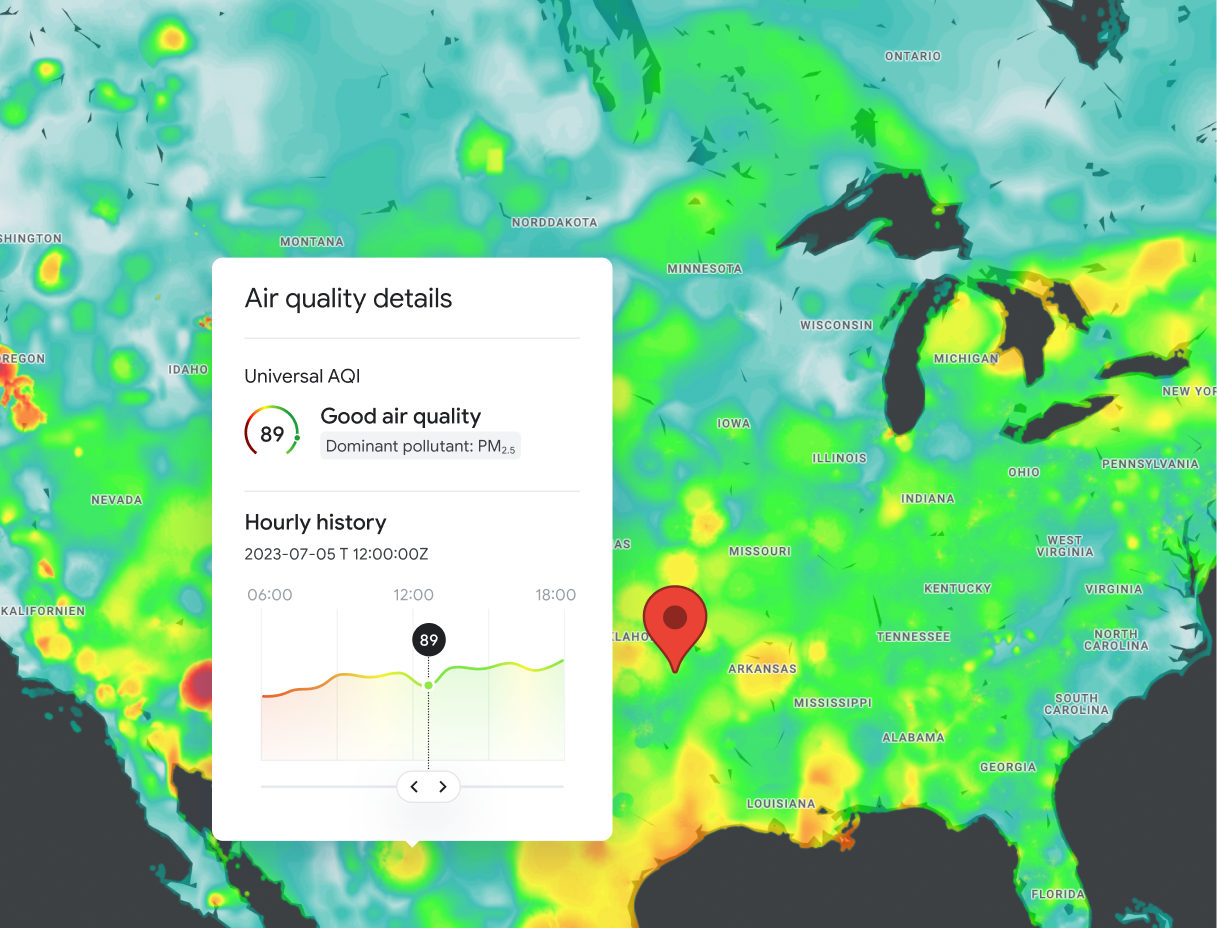
Most applications visualize this data through color-coded systems: green for good air quality, yellow for moderate, orange for unhealthy for sensitive groups, red for unhealthy, purple for very unhealthy, and maroon for hazardous conditions. This intuitive approach allows users to grasp air quality status at a glance without needing scientific expertise.
📱 Key Features of Top-Tier Air Quality Applications
The best air quality monitoring apps share several essential characteristics that distinguish them from basic weather tools. Real-time data updates ensure you’re always working with current information rather than outdated measurements that might not reflect sudden environmental changes.
Hyperlocal monitoring represents another critical feature, providing air quality readings specific to your neighborhood rather than city-wide averages. This precision matters tremendously, as pollution levels can vary dramatically within just a few blocks due to traffic patterns, industrial facilities, or geographical features.
Comprehensive pollutant breakdowns allow health-conscious users to understand exactly which contaminants pose the greatest risk. Someone with asthma might be particularly sensitive to ozone levels, while parents of young children focus more intensely on PM2.5 concentrations.
🔔 Smart Notifications and Alerts
Advanced applications offer customizable alert systems that notify users when air quality deteriorates to levels that might affect their specific health profile. These personalized warnings help people with respiratory conditions, cardiovascular issues, or heightened environmental sensitivities take preventive action before symptoms develop.
Some apps integrate with wearable devices and smart home systems, automatically adjusting air purifiers or HVAC settings when outdoor air quality declines. This seamless integration transforms passive monitoring into active environmental management.
🏙️ Global Coverage and Data Sources
Premium air quality apps aggregate information from thousands of monitoring stations worldwide, combining governmental environmental agency data with crowdsourced measurements from personal air quality sensors. This hybrid approach fills gaps in official monitoring networks, especially in developing regions where government infrastructure may be limited.
The most reliable applications transparently disclose their data sources, allowing users to evaluate the credibility of reported measurements. Government-verified stations typically provide the most accurate readings, though strategically placed community sensors can offer valuable hyperlocal insights.

International travelers particularly benefit from apps with extensive global coverage, as air quality standards and pollution sources vary dramatically between countries. What constitutes “moderate” air quality in one nation might be considered unhealthy in another with stricter standards.
💪 Health Recommendations and Activity Planning
Beyond simply reporting pollution levels, sophisticated air quality apps provide context-specific health recommendations. These actionable suggestions adapt based on current conditions, helping users modify their behavior to minimize pollution exposure.
For outdoor enthusiasts, this might mean rescheduling a marathon training run from morning to evening when ozone levels typically decrease. Parents might choose indoor playgrounds on days when PM2.5 concentrations spike dangerously high.
Exercise intensity recommendations represent another valuable feature, as vigorous physical activity increases respiratory rate and consequently pollution intake. Apps can suggest reducing workout intensity during poor air quality days or switching to indoor alternatives.
👶 Protecting Vulnerable Populations
Children, elderly individuals, and people with pre-existing health conditions face disproportionate risks from air pollution. Quality apps acknowledge these vulnerabilities through specialized advisory categories that trigger warnings at lower pollution thresholds for sensitive groups.
Pregnant women can particularly benefit from air quality monitoring, as research increasingly links prenatal pollution exposure to developmental concerns. Apps that provide conservative recommendations for expectant mothers help protect both maternal and fetal health.
🔬 Understanding Pollutant-Specific Impacts
Different air pollutants affect human health through distinct mechanisms, and comprehensive apps educate users about these varied risks. Particulate matter, especially the microscopic PM2.5 particles, penetrates deep into lung tissue and can even enter the bloodstream, contributing to cardiovascular and respiratory diseases.
Ground-level ozone, while protective in the stratosphere, acts as a powerful lung irritant when we breathe it. Formed through chemical reactions between nitrogen oxides and volatile organic compounds in sunlight, ozone levels typically peak during hot, sunny afternoons.
Carbon monoxide poses particular danger because it binds to hemoglobin more effectively than oxygen, reducing the blood’s oxygen-carrying capacity. Though typically associated with indoor sources like malfunctioning heating systems, outdoor CO concentrations can reach concerning levels in areas with heavy traffic congestion.
📊 Historical Data and Trend Analysis
The ability to review historical air quality patterns helps users identify pollution trends and plan accordingly. Someone considering a residential move might compare year-round air quality between neighborhoods, while event planners can select optimal dates for outdoor gatherings based on historical pollution patterns.
Long-term trend visualization reveals whether air quality in your area is improving or deteriorating over time, potentially influencing major life decisions about where to live, work, or raise a family. This data-driven approach to environmental health management represents a significant advancement over previous generations’ reliance on subjective assessments.
🌤️ Weather Integration and Forecasting
Since meteorological conditions profoundly influence air quality, leading apps integrate weather data to provide pollution forecasts. Temperature inversions, for instance, trap pollutants near ground level, while strong winds can disperse contaminants or transport pollution from distant sources.
Rain typically improves air quality by washing particulates from the atmosphere, whereas stagnant, hot conditions often correlate with elevated ozone formation. Apps that combine weather forecasting with pollution prediction enable proactive rather than reactive health protection.
🏠 Indoor Air Quality Monitoring
Progressive air quality applications now extend their capabilities beyond outdoor monitoring to include indoor air assessment. Since most people spend approximately 90% of their time indoors, understanding and controlling indoor air quality represents a crucial health priority.
These apps can connect with compatible indoor air quality monitors that measure pollutants like volatile organic compounds (VOCs), formaldehyde, radon, and carbon dioxide. Smart integration allows users to manage both outdoor and indoor air quality through a single platform.
Personalized recommendations might include opening windows during periods of superior outdoor air quality, running air purifiers during pollution episodes, or identifying indoor pollution sources like cleaning products, new furniture, or cooking activities that degrade air quality.
🌱 Environmental Awareness and Community Impact
Beyond personal health protection, air quality apps foster environmental consciousness by making pollution visible and quantifiable. When users see concrete numbers representing the air they breathe, abstract environmental concerns transform into immediate, personal priorities.
Some applications include features that track your carbon footprint or pollution contribution based on transportation choices, encouraging behavioral changes that benefit both individual health and collective environmental quality. Gamification elements reward users for choosing walking, cycling, or public transit over private vehicle use.
Community features enable users to share air quality observations, report visible pollution sources, and collaborate on local environmental improvement initiatives. This crowdsourced activism has successfully pressured governments and industries to address pollution hotspots in numerous cities worldwide.
🛡️ Privacy Considerations and Data Security
While air quality apps provide valuable health information, users should understand the data privacy implications of location-based environmental monitoring. Reputable applications clearly disclose how they collect, use, and share user data, allowing informed consent decisions.
Location tracking, while necessary for providing accurate local air quality readings, creates potential privacy vulnerabilities if mishandled. Premium apps offer granular privacy controls that let users balance functionality with data protection according to their personal comfort levels.
Before downloading any air quality application, review its privacy policy and data handling practices. Free apps may monetize user data through advertising partnerships, while subscription-based services typically offer stronger privacy protections.
⚡ Choosing the Right Air Quality App
Selecting the optimal air quality application depends on your specific needs, location, and health priorities. Evaluate whether an app provides comprehensive coverage for your area, as some platforms excel in certain geographic regions while offering limited data elsewhere.
Consider the user interface and ease of interpretation—the best app is one you’ll actually use consistently. Overly complex platforms may provide extensive data but discourage regular engagement, while oversimplified apps might lack critical information for health decision-making.
Read independent reviews and compare multiple applications before committing, particularly if considering paid subscriptions. Many premium apps offer free trial periods that allow firsthand evaluation of features, accuracy, and usability.
💰 Free vs. Premium Features
Most air quality apps offer free basic functionality alongside premium subscription tiers with enhanced capabilities. Free versions typically provide current AQI readings and basic forecasts, sufficient for casual users seeking general air quality awareness.
Premium subscriptions unlock advanced features like extended forecasts, detailed pollutant breakdowns, historical data access, customizable alerts, and ad-free experiences. For individuals with health conditions sensitive to air quality, these enhanced features often justify the modest subscription costs.
🔮 The Future of Air Quality Monitoring
Emerging technologies promise to revolutionize how we monitor and respond to air pollution. Artificial intelligence and machine learning algorithms increasingly power predictive models that forecast pollution events with improving accuracy, enabling proactive health protection.
Miniaturization of sensor technology is making personal air quality monitors more affordable and portable, allowing continuous exposure tracking throughout daily activities. Future apps may integrate these personal monitors with smartphone platforms, providing unprecedented insight into individual pollution exposure patterns.
Augmented reality features currently in development could overlay real-time air quality visualizations onto smartphone camera views, making invisible pollution visible and immediately comprehensible. Such innovations may accelerate public engagement with environmental health issues.
🌟 Maximizing the Benefits of Air Quality Apps
To extract maximum value from air quality applications, establish consistent monitoring habits rather than only checking during obviously poor conditions. Regular awareness helps you recognize patterns and plan activities around typical pollution cycles in your area.
Configure personalized alerts based on your specific health profile and pollution sensitivity. Generic default settings may not trigger warnings at thresholds relevant to your individual circumstances, potentially leaving you inadequately protected.
Share air quality information with family members, friends, and community members who might benefit from increased awareness. Collective action to reduce pollution exposure and advocate for cleaner air amplifies the positive impact beyond individual health protection.
Combine air quality monitoring with other preventive health measures like maintaining indoor air purifiers, choosing low-emission transportation options, and supporting policies that prioritize environmental protection. Apps provide information, but meaningful health improvements require acting on that knowledge.
🎯 Taking Control of Your Air Quality Journey
Air quality apps represent powerful tools for environmental health management in an era of increasing atmospheric pollution. These digital platforms democratize access to information previously available only to scientists and policymakers, empowering ordinary individuals to protect themselves and their families.
The invisible nature of air pollution makes it easy to ignore, but its health impacts are undeniably real and increasingly well-documented. From cardiovascular disease to cognitive impairment, from pregnancy complications to reduced life expectancy, poor air quality exacts tremendous human costs.
By integrating air quality monitoring into your daily routine, you transform from a passive recipient of whatever air surrounds you into an active participant in your environmental health. This shift from ignorance to awareness, from helplessness to empowerment, represents one of the most significant health advances technology has enabled.
Download a reputable air quality app today and begin your journey toward cleaner air and better health. Your lungs—and your overall wellbeing—will thank you for years to come. 🌬️💙
